

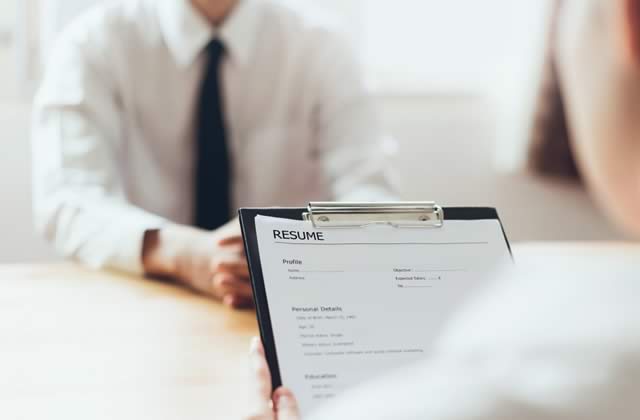
The months after graduation are full of excitement.
You’ve worked hard, achieved a major milestone, and now have the qualifications necessary to enter the professional world.
But before you start your career, there’s one more hurdle you need to clear: the job interview.
Interviewing as a recent graduate is daunting — you don’t know if employers will take your experience seriously and it feels like everyone else has more experience than you. But interviewing is a skill, and is one you can get better at through planning, preparation, and practice.
Submit Your Strongest Application
As a recent graduate, it can be hard to know what to include in an application. Should you list the classes you took at college? Can you use research as work experience? Will an employer want to know about your prior experience in a coffee shop? The answer is frustrating: it depends.
Your application materials will look different depending on the role you are applying to. If you’re applying to a software engineering position, you can probably leave out the barista experience. But, if you’re applying to a management role, employers might want to see your hands-on work experience.

Regardless of the role you are applying to, a strong application should be deliberately crafted. When filling out your application, make sure you’ve completed the following tasks:
- Choose references that understand the industry you’re entering.
- Ensure your cover letter is specific to the role.
- Provide a portfolio with relevant work.
- Highlight applicable achievements on your resume.
- Submit the application in the file type the employer asks for (usually “.pdf” or “.doc”).
First Impressions
Research shows that people need only a fraction of a second to make subconscious judgments about a person’s character. This means a good first impression is important — it won’t land you a job, but it might lose you one.
Don’t overthink first impressions. You just need to wear appropriate clothes, smile, and display good manners. It’s all about clearing those first few moments without disaster, after which you can relax and focus on the interview itself.
Fail to Prepare, Prepare to Fail
Failing to prepare adequately is one of the most common interview mistakes people make. You can’t just walk in and expect to “wow” employers with charm and personality. They’ll see that you haven’t prepared and will score you negatively because of it.
Be sure to research the company and how it operates within its respective industry. Familiarize yourself with their products, marketing campaigns, website(s), and any additional materials you received when researching the job.
You can also find information online about the people interviewing you. Sites like LinkedIn will give you helpful insider information about their prior experiences and qualifications.
By preparing adequately, you can give better answers and ask better questions at the end of the interview.
Prepare for Generic Questions
You can’t plan for every question an interviewer is going to ask. However, you can feel fairly confident that they’ll ask at least a few generic questions.
During your interview preparation, jot down a handful of responses to questions about your “greatest strengths,” and make sure you have professional answers to the numerous “tell me about a time when…” questions.
By planning these answers ahead of time, you can come across as a confident, well-spoken candidate that will surely impress interviewers.
Ask Great Questions
At the end of the interview, you will likely be asked if you have any questions about the role. As much as you might want the interview to end, you should have specific questions prepared for this time.
The easiest way to ensure you ask good questions is to plan them beforehand. It’s best to stay away from generic questions, but if you’re stumped here are a few job interview questions you can use:
- How do you manage employee performance in this role?
- What’s the most important thing I could do within the first 90 days to help this organization?
- Can you elaborate on the day-to-day responsibilities of this role?
- Why do you like working for this organization?
other related articles of interest:
Asking questions shows potential employers that you are engaged and care about the work you will be doing. It also helps you get a feel for the company, which may be useful if you receive multiple offers of employment.
Follow Up
After the interview, send a short thank-you note to the hiring manager. This small, personable touch shows that you have a positive personality and care about the role.
The best follow-up emails are short, to the point, and express gratitude for the interviewer’s time. If you want, you can also re-emphasize your interest in the role.
It might seem machiavellian, but including a quick email can leave a positive impression on the interviewer, which certainly won’t hurt your chances.
Finally, be kind to yourself. You can’t expect every interview to end in a job offer. You’ll get better at interviewing over time because interviewing is a skill — just like any other skill, we only improve when we plan, prepare, and practice.
Image Credit: how to nail you first post grad interview by twenty20.com
end of post … please share it!
DECEMBER: about AP testing (part of HS college calendar)



Comments