

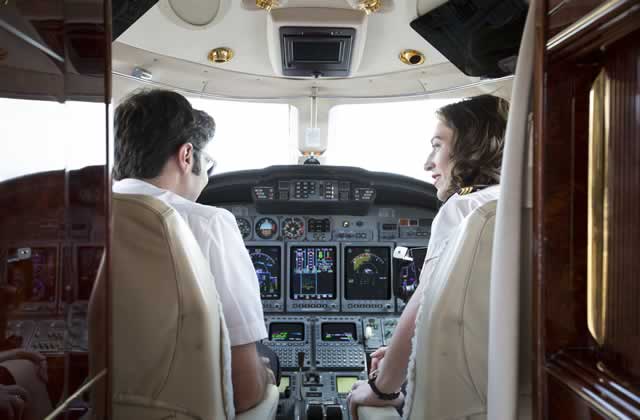
The idea of flying is something timeless. A few things stir the imagination, like the image of a plane cutting across a blue sky.
For many, the dream of becoming a pilot begins young, after visiting an airport or seeing a jet soar overhead. And that dream often becomes a personal mission.
But the journey to the cockpit is more than training. It’s a test of patience, discipline, and resilience. It starts with taking the first step.
The Spark That Starts It All
Most pilots start their journey with curiosity before any logbooks are filled, or cockpit buttons are pushed. Perhaps it’s model airplanes, documentaries, or flying a simulator at home. Interest turns into questions: How do you learn to fly? What are the pilot licenses? Is this dream even realistic?
This stage is about research and discovery. Flight schools are explored, training costs are compared, and the type of flying the aspiring pilot wants to do is considered.
Aviation programs, local flight clubs, and even online forums become sources of insight. It is a phase of excitement and possibility, but also a lot of choices to make.
Entering the Flight School World
Once a school is chosen, the pace picks up. New students quickly realize flying isn’t just about steering a plane through the sky. Early lessons start on the ground, learning aircraft systems, safety checks, and basic aerodynamics.

Then comes the hands-on experience. Taxiing down a runway for the first time feels strange, but every hour in the seat builds skill and confidence.
Ground school runs parallel to flight training. Students learn navigation, radio communication, airspace rules, and how to read weather reports. It’s a lot to absorb, but it all ties directly into safety and control in the air. The classroom becomes just as important as the cockpit. Step by step, the puzzle of flight starts to make more sense.
The Big Milestone: First Solo Flight
Few moments in a pilot’s life compare to the first time flying solo. After hours of instruction, the day comes when the student is cleared to fly alone. The instructor steps out, the engine hums, and suddenly the responsibility is all theirs. Takeoff feels different.
Every movement carries new meaning. When the plane touches back down, there’s often a mix of relief and pride — a quiet realization that this dream is becoming real.
From there, training expands to include cross-country flights, emergency procedures, and instrument flying. Pilots in training also become more familiar with the tools that keep aircraft reliable. Maintenance crews often rely on devices like an air data test set to check key flight instruments.
These tools help ensure the accuracy of systems that pilots depend on every day. While not always visible during training, this behind-the-scenes precision is what makes safe flight possible.
Choosing Your Path in Aviation
After earning a license, the skies begin to open in new ways. But a license is just the beginning. Many pilots continue to build flight hours to qualify for advanced opportunities.
Some become flight instructors, passing on their knowledge while logging hours. Others pursue commercial licenses or work toward flying for airlines, charter services, or even emergency response.
The aviation industry offers many routes. Some pilots enjoy the structured routine of airline schedules. Others prefer the variety of private charters or bush flying.
Crop-dusting, aerial photography, and firefighting are also options for those who like challenge and adventure. Wherever the path leads, gaining hours and continuing education remain key parts of growth.
The Ups and Downs Along the Way
Every pilot faces challenges. Weather delays, mechanical issues, and demanding schedules are all part of the process. Staying focused and calm under pressure is essential. Learning never really ends, either. Pilots constantly refresh their knowledge and train for new scenarios.
Support plays a big role here. Mentors, classmates, and instructors offer encouragement when motivation dips. The aviation community is known for being close-knit. Pilots understand what it takes to get through the tough days, and they often help one another keep going.
What keeps most pilots moving forward is the reward.
other related articles of interest:
Conclusion
Becoming a pilot isn’t a single event. It’s a journey. It starts with wonder, grows with learning, and matures with every mile flown. Along the way, there are moments of doubt, days of struggle, and hard-earned victories.
But for those who see it through, the result is more than just a license. It’s a shift in perspective. The sky no longer feels out of reach; it becomes home.
Image Credit: by envato.com
end of post … please share it!
| envato.com |
SHOP DORM: cleaning brushes



Comments