

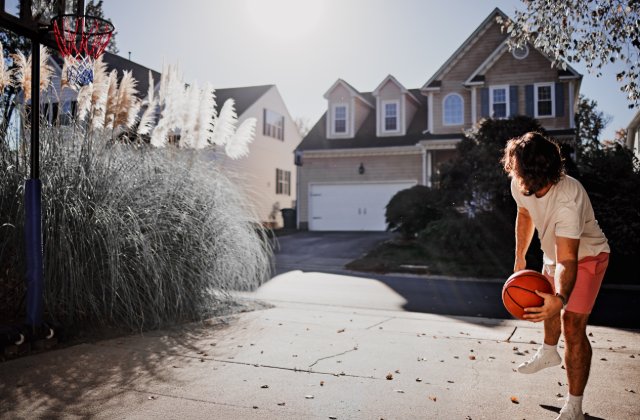
Finding time to work on your game can get complicated without gym access. If basketball matters to you, waiting for the perfect practice window can mean losing opportunities to put in meaningful work. That’s part of the reason why basketball players train at home, where getting on the court can become a regular part of everyday life.
Home training doesn’t replace competition or organized practice. Instead, it gives you another place to work when you’ve got the time and motivation to get better. With a thoughtful approach, your driveway or backyard can become a legitimate extension of your basketball routine.
You Control Your Schedule
One of the biggest advantages of training at home is simple: you can practice when your day allows it. You don’t have to plan around gym availability or spend extra time traveling just to get some shots up. When you have an open half hour, you can walk outside and start working.
That convenience matters if you’re balancing basketball with school or a job. You may not have two uninterrupted hours for a workout, but that doesn’t mean you have to skip practice entirely. A shorter session can still give you useful reps when you approach it with a clear purpose.
Solo Work Has More Potential
Training alone used to mean chasing your own rebounds and figuring out drills as you went. You can keep things simple, but today’s home setups give you more options for creating focused sessions without another player standing beside you.
The key is making your time purposeful. Instead of shooting until you get bored, you can decide what you want from the session before you begin. That might mean dedicating the day to a specific type of shot and tracking whether you’re becoming more consistent.
Certain basics can make the space easier to use if you’re building a setup around independent practice, such as:
- Keeping enough open space for natural basketball movement
- Choosing equipment that matches the area you have
- Keeping your basketball ready and properly inflated
- Removing unnecessary clutter around the court
- Setting up your space so practice can start quickly
You don’t need to turn your driveway into a private training facility; you need a setup that helps you spend less time preparing and more time playing.
Home Equipment Keeps Improving
A hoop and basketball can take you a long way, especially when you’re starting out. As your training becomes more serious, though, you may want equipment that helps you use your practice time more efficiently.
Before buying something, consider whether you’ll use it regularly. Basketball equipment for at-home practice should solve a practical problem in your routine rather than take up space in the garage. This matters because a useful home court isn’t defined by the amount of gear surrounding it. You’ll get more value from equipment that supports the way you already train.
Technology Supports Independent Practice
Basketball training technology can also help you accomplish work that once required another person. Rebounding equipment, for example, can reduce the time you spend retrieving shots during an individual session.
Other training tools can help you keep track of your work so that you have more context from one session to the next. When you know what you accomplished last time, you can enter your next workout with a clearer direction.
Practice Can Become More Personal
Team practices serve the needs of an entire roster, so every minute can’t revolve around what you personally want to address. At home, you get to spend your time on the parts of your game that deserve your attention.
Maybe you want to become more comfortable shooting from a particular area. You can devote a session to that goal without worrying about when the team needs to move on to something else. You control when you’re ready for the next challenge.
That freedom can also help you become more aware of your own game. Instead of simply completing whatever drill comes next, you must think about what you’re trying to accomplish and whether your practice reflects that goal.
Your Space Doesn’t Need Perfection
It’s easy to see polished home courts online and assume you need something similar—you don’t. Plenty of useful work can happen in a driveway or another safe space where you can move comfortably.
Start with the area you have rather than the court you wish you had. Pay attention to available room and make sure that the surface gives you a practical place to train. From there, you can shape sessions around what the space allows.
You can also improve the setup gradually. If you consistently use your home court, you’ll develop a much better sense of what could make your sessions more productive. That perspective helps you avoid spending money on equipment that seems useful but doesn’t fit your routine.
Training Fits Everyday Life
Basketball often becomes part of family and community life. You might start a workout by yourself and end up playing with a brother, cousin, neighbor, or friend who stopped by. That accessibility gives playing basketball at home a character that organized practices can’t always replicate.
For many players, basketball already exists beyond scheduled team activities. You watch games with family, talk hoops with friends, and carry the sport into different parts of your day. Having a place to practice at home lets training fit naturally into that connection.
Build Something You’ll Use
The best home training setup isn’t necessarily the biggest or most expensive one; it’s the one that makes you want to get outside and put in another session.
Pay attention to what keeps interrupting your workouts. If you spend too much time chasing rebounds, consider a setup that reduces those interruptions. If getting started takes too long, simplify the space so there’s less standing between you and your first rep.
Most importantly, give your home routine a purpose. You don’t need to copy someone else’s workout to make your time count. Build around the player you are now and where you want your game to go next.
Practicing basketball at home gives you something valuable: another opportunity to show up. When you make that opportunity easy to use, you don’t have to wait for an open gym to keep working. Your next session may already be waiting right outside your door.
Image Credentials: Olesia Bilkei, 1590379227

Comments