

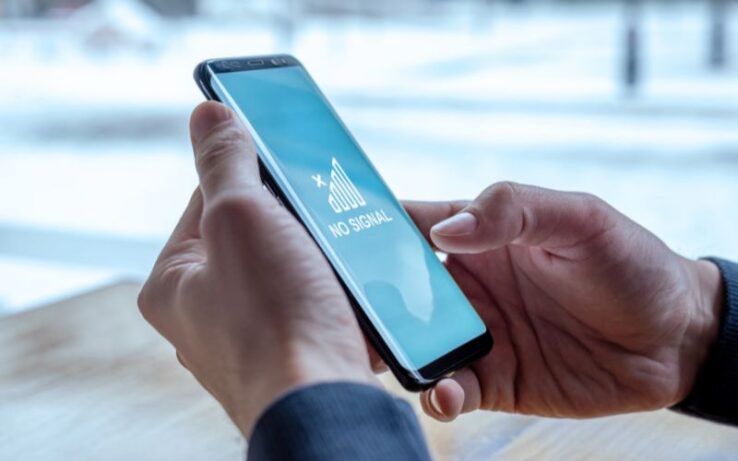
We’ve all been there—you’re trying to make an important phone call or send a crucial message, only to find that your cell service is unexpectedly weak or nonexistent.
In a world where we rely so heavily on our smartphones, understanding some things that can interfere with your cellular signal is the first step toward enhancing your signal strength.
In this post, we’ll dive into five common factors that may be affecting your cell service and provide helpful tips to minimize their impact.
Physical Obstructions
One of the most common factors affecting cellular signal strength is the presence of physical objects between your phone and cell towers. Buildings, trees, hills, and even the walls and furniture within your home can block or weaken your signal. To improve your reception, try moving closer to a window, going outside, or finding a higher elevation.
Electronic Interference
Another common culprit for a weak cellular signal is electronic interference from other devices. Wi-Fi routers, computers, and even microwaves can interfere with your cellular signal. To minimize this issue, consider switching off or moving these electronic devices away from your phone when making a call or using data.
Distance From Cell Towers
The farther you are from a cell tower, the weaker your signal will be. As you move away from a tower, your phone searches for another one to connect to, which can drain your battery and leave you with a weak signal. You can use apps and websites that provide information on nearby cell towers, allowing you to determine if your distance from one is affecting your cellular signal strength. Likewise, if it ever seems like your neighbor has a better cell signal than you do, it may be worth checking the difference in distance. They may be using a cell signal booster or a different network that provides better service for your specific area.
Network Congestion
Another thing that can interfere with your cellular signal is an influx of cell traffic from other people around you. When many people are using their phones at the same time in the same area, the available bandwidth may be insufficient to handle the demand. This can result in slow data speeds and weak signal strength. To mitigate this issue, try using your phone during off-peak hours or connecting to Wi-Fi where available.
Weather Conditions
Weather can have a significant impact on your cellular signal strength. Heavy rain, snow, and even thick fog can create obstructions, making it difficult for radio waves to pass through. This often results in dropped calls and slow data speeds. While there’s not much you can do to change the weather, being aware of this factor can help you plan your phone usage accordingly.
Truthfully, numerous factors that can interfere with your cellular signal, so determining the exact cause may be more challenging than it first appears. However, by identifying these factors and taking appropriate steps to minimize their impact, you can help ensure your cell service remains strong and dependable. Having a stable, reliable signal allows you to stay connected no matter where you are.


Comments