

Between classes and homework assignments, it’s important for college students to have hobbies. Pursuing creative outlets outside of classes will enrich your life and prevent burnout. From playing an instrument to experimenting with photography, there’s no shortage of ways to bring creativity into a busy schedule.
Take a Break From Academic Responsibilities
College students spend much of their time concentrating on academic expectations. Even after classes end, homework, study sessions, and upcoming deadlines occupy their thoughts. Having a creative hobby introduces an enjoyable change of pace, giving the mind something else to focus on after hours of coursework. Painting a picture or playing the guitar provides a sense of accomplishment that has nothing to do with academic performance.
Beyond taking a break from studying, creative activities encourage students to develop interests that reflect their personalities. Someone pursuing a business degree might discover a passion for poetry, while an engineering student could enjoy making pottery. These hobbies give students something to look forward to throughout the week.
Experiment With Various Forms of Creativity
There’s no single activity that defines creative expression. Some people gravitate toward music, whereas others enjoy working with their hands. Exploring several hobbies is a great way to discover what captures your interest.
Express Yourself Through Music
Whether it’s singing, songwriting, or playing an instrument, music offers countless possibilities for self-expression. Learning a few chords on the guitar gives students the chance to play songs they love, and experimenting with original melodies introduces another creative challenge.
Students who enjoy singing could practice vocal techniques or try writing lyrics that reflect personal experiences. Music brings a rewarding combination of artistic expression and skill development, with plenty of room to experiment.
A Variety of Visual Arts
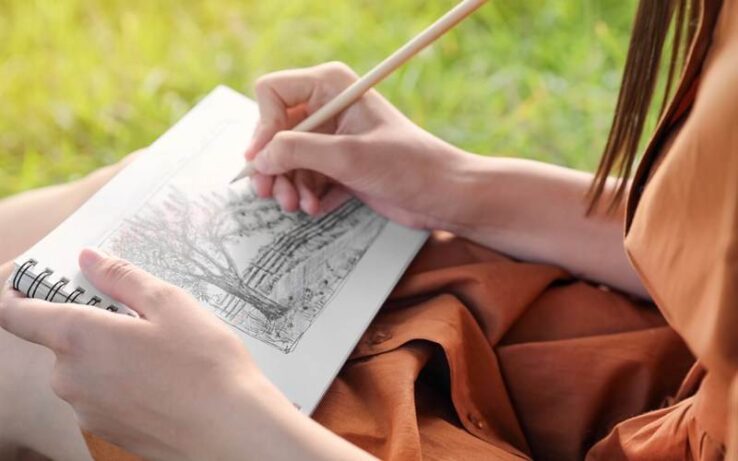
Drawing and painting invite students to interpret their surroundings through artistic expression. A sketchbook is a great place to practice portraits, capture campus scenery, or experiment with abstract designs.
Photography presents another option for students who enjoy observing the world around them. Using a smartphone camera, try photographing interesting architecture, experimenting with natural lighting, or capturing scenes that tell a story.
Creative Writing Activities
Writing provides an outlet for imagination and personal reflection outside of academic essays. Poetry, short stories, and fictional narratives give students the freedom to experiment with language and develop their own voices.
A personal journal offers a less structured experience. Students could write about memorable conversations, describe an interesting encounter, or document thoughts that come to mind throughout the day.
Hands-On Artistic Projects
Working with physical materials brings a satisfying, tactile element to creative expression. Knitting, embroidery, and sewing give students the chance to produce something they might wear or use. Pottery and DIY projects offer similar enjoyment through the process of shaping, assembling, or decorating objects.
Explore Hobbies on a Budget
Trying a new hobby doesn’t mean purchasing expensive equipment right away. Many creative activities begin with everyday supplies. Grab a cheap notebook at the store or use your phone to take photos. If painting is an interest, start out with a basic paint set and a set of small canvases or a mixed media pad.
For aspiring musicians, cost becomes a little tricky. When you’re just starting out, choosing between a new and used guitar is an important consideration. Spending hundreds of dollars might not be in the budget. Finding a quality pre-owned guitar at a resale music store or online is an affordable way to dive into this hobby. Students have the chance to develop skills before investing in expensive equipment.
Another option is to explore if the campus has any resources to rent. Perhaps you’d like to try out a camera for a personal photography project or experiment with a 3D printer. While some of these rentals might have a tie to certain classes, it never hurts to ask.
Participate in On-Campus Activities
College campuses bring together people who share an interest in creative pursuits such as music, art, and writing. Student organizations provide a welcoming setting for exploring hobbies while meeting people outside academic classes. An art club might organize group painting sessions, whereas a creative writing organization could host workshops where students exchange ideas and discuss original stories.
Campus events introduce additional possibilities that don’t necessarily involve joining an organization. Open mic nights invite students to share music or poetry, and free workshops provide opportunities to experiment with unfamiliar artistic techniques. Check student activity calendars, campus newsletters, and organization pages to discover upcoming events. Attending one event is a simple way to determine whether an activity sparks enough interest to pursue regularly.
Set Aside Time for Creativity Each Week
Assignments, jobs, and personal commitments fill the calendar. It seems impossible to make time for hobbies.
Creative expression doesn’t have to occupy an entire afternoon. Spending 20 minutes sketching between classes or writing a short poem after dinner gives students a chance to enjoy an activity without rearranging their schedules.
Try reserving a recurring time for a hobby. Maybe there’s a block of free time on the weekend or some downtime before bed. Staying consistent with various activities will bring immense joy when schoolwork drags you down.
Choose Hobbies That Suit Your Living Space
Living arrangements influence the types of creative activities students pursue. A shared dorm room might not have room for a pottery wheel or large painting supplies, but compact hobbies offer plenty of possibilities. Sketching, embroidery, journaling, and digital illustration work well in small spaces because students can store their materials between sessions.
Noise is another consideration in shared housing. Musicians interested in practicing regularly might use headphones with a compatible digital keyboard or look into campus practice rooms. Meanwhile, students who enjoy photography could spend time outdoors capturing scenes around campus. Choosing an activity that fits available space makes it convenient to return to the hobby throughout the semester.
Find a Creative Outlet That Reflects Your Interests
The best creative outlets outside of classes are the ones that inspire you. College provides an excellent setting to try something new, meet people who share artistic interests, and discover personal talents. Whether a hobby becomes a lifelong passion or simply provides a pleasant break from studying, spending time on creativity is worthwhile in its own right.
Image Credentials: By New Africa, #462444728

Comments