

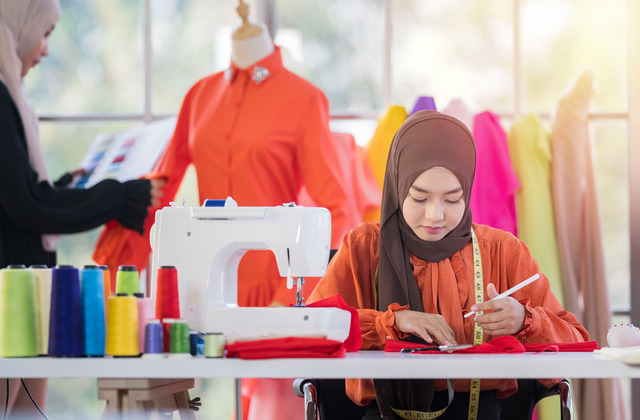
Stepping into the world of fashion design means exploring an exciting mix of creativity and technical skills.
Beyond the sketches and runway visions lies an arsenal of gadgets and instruments that bring your creations to life.
From classic tools to modern tech, understanding the tools fashion design students need to know how to use is essential for both academic success and professional growth. We’re here to help you determine which must-haves to master.
Sewing Machines and Serger Machines
A reliable sewing machine is a fashion design student’s best friend. It’s crucial to practice with both basic and computerized models to familiarize yourself with different functionalities, such as topstitching and buttonhole making. Don’t overlook sergers either—these machines create professional-quality seams and prevent fraying.
Sergers are particularly useful when working with knits and stretch fabrics. Keeping your machines clean and well-maintained ensures they stay efficient and functional for years to come, so even maintenance is a skill worth perfecting in college.
Pattern-Making Tools
Fashion starts with a good pattern, making pattern-making tools non-negotiable. Pattern paper, French curves, L-squares, and rulers all help you create accurate shapes and lines. Adding a tracing wheel and carbon paper to your toolkit can help you transfer patterns efficiently.
Additionally, you’ll want to invest in a dress form or mannequin—it’s a versatile aid for draping, pinning, and checking garment fit. Hands-on mastery of these tools is invaluable both in school and the industry.
Measuring and Marking Tools
Accuracy is key in fashion design, which is where measuring and marking tools step in. Tape measures, tailor’s chalk, and disappearing ink pens are essentials that ensure your designs come together seamlessly. Don’t skip the heat erasable pens—they’re lifesavers when you make mistakes.
Embroidery Tools
Adding intricate embroidery can elevate your designs, but only if you have the right tools and know-how. Embroidery machines allow for detailed modern and traditional designs with ease, but they’re a big investment.
There are some things to keep in mind before buying embroidery machines (or any costly pieces of equipment, for that matter), but having one can open the door to incorporating many traditional and modern designs in your work. Hand embroidery involves tools of its own, as well. Understanding how to embroider by both machine and hand will come in handy when working across different styles and materials.
Design Technology and Software
Today’s fashion designers must operate in both physical and digital spaces, so knowing your way around design software is crucial. Adobe Illustrator is a staple for creating technical flats and fashion illustrations, while CLO 3D and Optitex allow you to produce virtual garment samples.
These tools save time and resources by giving you a clear vision of your final product before cutting fabric. A combination of technical proficiency and software fluency makes you competitive in the fashion world.
Conclusion
Fashion design requires more than an eye for aesthetics—it’s a blend of artistry and practical expertise. From sewing machines to digital software, the tools fashion design students need to know how to use range from traditional must-haves to cutting-edge innovations.
Mastering these tools will not only prepare you for academic success but also set you up for real-world challenges in the fast-paced fashion industry. By investing in the right skills and equipment, you’re crafting more than garments—you’re building the foundation for a thriving career.
Image Credentials: by thanarak, 326300321
end of post … please share it!
| envato.com |
SHOP DORM: laundry hampers


Comments