

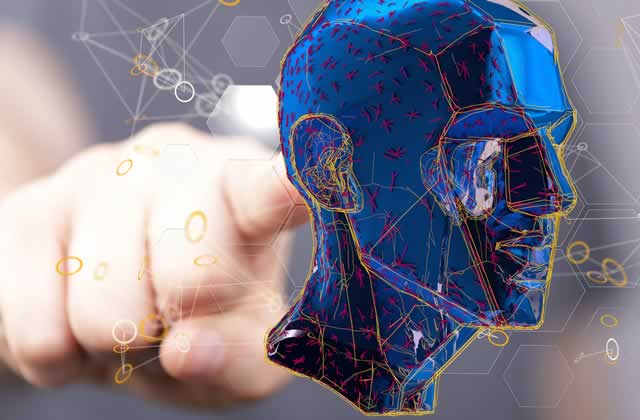
Artificial Intelligence (AI) has moved beyond tech labs and business applications, becoming an integral part of modern education.
In 2025, schools worldwide are leveraging AI tools to enhance teaching efficiency, personalize student learning, and improve academic outcomes.
From automated lesson planning to AI-powered tutoring, the integration of these technologies is reshaping classrooms in ways that were unimaginable a decade ago.
This transformation is not just about replacing traditional methods, it’s about empowering educators, reducing administrative burdens, and giving students tailored learning experiences that cater to their strengths and weaknesses.
AI in Lesson Planning: Saving Time and Increasing Accuracy
Teachers have always spent a significant portion of their week planning lessons, aligning them with curriculum standards, and ensuring they meet diverse learning needs. AI lesson planning tools are changing this process by automating content generation, suggesting teaching materials, and aligning lessons with standardized frameworks.
For example, AI-powered platforms can:
- Suggest lesson structures based on grade level and subject.
- Recommend relevant multimedia content for interactive learning.
- Adapt plans for different learning paces, ensuring no student is left behind.
By reducing the manual workload, teachers can dedicate more time to student engagement, classroom discussions, and hands-on activities. This shift also ensures higher consistency in curriculum delivery across different classes and schools.
Personalized Learning Through AI-Driven Analytics
One of the most significant benefits of AI in education is its ability to provide personalized learning experiences. AI tools track student performance in real time, identifying knowledge gaps and suggesting specific exercises or resources to address them.
For instance:
- Adaptive learning platforms modify lesson difficulty based on student responses.
- AI can provide instant feedback on assignments, helping students learn from mistakes immediately.
- Data-driven insights allow educators to intervene early when a student is struggling.
Personalization is particularly beneficial in large classrooms where it is difficult for teachers to monitor each student closely. AI makes it possible to deliver one-on-one style support without increasing staff numbers.
For more clarity, you can also check the guide on alternative education and its career impact.
AI-Powered Tutoring: Extending Learning Beyond the Classroom
Tutoring has traditionally required additional human resources, often making it expensive or inaccessible for some students. AI-powered tutoring platforms now provide cost-effective, scalable, and accessible learning support anytime, anywhere.
Key features include:
- Chatbot-based tutors that answer questions in natural language.
- Step-by-step problem-solving guidance in subjects like math and science.
- Language learning bots that practice conversation and grammar correction.
Unlike static online resources, AI tutors adapt dynamically to a student’s skill level, ensuring that the pace and complexity of lessons remain appropriate. This “always-on” tutoring model supports homework help, test preparation, and skill reinforcement.
Automating Administrative Tasks for Teachers
AI is not limited to direct teaching, it also plays a vital role in streamlining administrative tasks that often consume teachers’ valuable time. AI tools can:
- Grade multiple-choice and short-answer assignments instantly.
- Record attendance automatically through facial recognition.
- Generate performance reports for parents and school administrators.
By reducing administrative burdens, educators have more energy and time to focus on what they do best, teaching and inspiring students.
Enhancing Student Engagement with AI-Powered Content
Modern students are highly accustomed to digital content. AI helps teachers meet them where they are by creating interactive and gamified learning experiences just like on Essay Fusion.
Examples include:
- AI-curated quizzes that adapt difficulty based on previous scores.
- Augmented reality (AR) experiences guided by AI, making science or history lessons more immersive.
- Story-based learning where AI generates branching narratives depending on student choices.
These engaging methods encourage active participation, boost retention, and foster a genuine love for learning.
Ethical Considerations and Responsible AI Use in Schools
While the benefits are significant, integrating AI in schools raises important ethical and privacy considerations. Schools must:
- Protect student data and ensure compliance with privacy laws.
- Avoid algorithmic bias in grading or performance tracking.
- Ensure transparency in how AI recommendations are generated.
Educators and administrators must also provide proper training so teachers can use AI tools effectively without becoming overly dependent on them.
The Future of AI in Education: Hybrid Classrooms and Beyond
The future of AI in schools will likely blend physical and digital learning into seamless hybrid models. AI tools will continue to evolve, offering:
- Real-time translation for multilingual classrooms.
- Emotional AI that detects student engagement and adjusts lessons accordingly.
- AI-assisted career guidance that aligns learning paths with future job opportunities.
Schools that embrace AI thoughtfully will not only improve academic outcomes but also prepare students for an AI-driven world.
AI in Special Education: Supporting Diverse Learning Needs
One of the most promising uses of AI in schools is in special education. Students with learning differences such as dyslexia, ADHD, or autism often require customized support. AI is uniquely positioned to provide that. Examples of AI in special education:
- Speech recognition tools that help students with reading difficulties convert text to audio.
- Predictive learning platforms that flag areas where special-needs students may require early intervention.
- Emotion recognition AI that helps teachers understand when students with communication challenges feel stressed or disengaged.
AI for Teacher Professional Development
While much of the focus is on how AI benefits students, teachers also stand to gain from these tools. AI is now being used to support continuous professional development (CPD), ensuring teachers stay updated with best practices and evolving education standards. Fresh ways AI supports teachers:
- Personalized training modules based on subjects they teach and areas of improvement.
- Virtual coaching assistants that analyze teaching methods and suggest strategies for higher engagement.
- AI-driven peer collaboration platforms that connect educators with similar challenges across schools.
This creates a feedback loop where AI improves both teaching and learning quality simultaneously.
AI and Student Mental Health Monitoring
Schools are increasingly recognizing the importance of student well-being alongside academic performance. AI is emerging as a quiet but powerful ally in this domain. How AI contributes to student well-being:
- Sentiment analysis in writing: AI can detect signs of stress, anxiety, or depression in student essays and flag them for counselor review.
- Behavioral analytics: Learning platforms can track declining engagement or irregular activity patterns as early warning signs.
- AI chatbots for mental health: Students can confidentially talk to AI-powered systems that provide coping strategies or direct them to school counselors.
AI in Parental Engagement
Traditionally, parents have only had limited insights into their child’s school life—mainly through report cards or parent-teacher meetings. AI is transforming this by offering real-time parental engagement tools. Key benefits:
- Personalized dashboards for parents that show academic progress, attendance, and even behavior trends.
- Automated updates: Parents receive instant notifications if their child excels in an area or struggles with a particular topic.
- Two-way communication tools: AI-powered platforms facilitate seamless parent-teacher communication, translating updates into multiple languages when needed.
This creates a more collaborative ecosystem where parents play an active role in shaping their child’s learning journey.
AI in Curriculum Design and Policy Making
Beyond the classroom, AI is helping schools and education boards rethink curriculum design and policy planning. Instead of relying solely on historical data and standardized frameworks, AI can analyze real-time trends to keep curricula relevant. Examples include:
- Skills gap analysis: Identifying where students consistently underperform and adjusting lessons accordingly.
- Future-readiness mapping: Predicting the skills needed for emerging careers and integrating them into subjects earlier.
- Policy evaluation: Simulating the impact of curriculum changes before implementation.
This ensures that schools are not just preparing students for exams but equipping them with skills that align with tomorrow’s job market.
AI for Global and Remote Learning Access
Education is not limited to physical schools anymore. AI tools are bridging geographic and economic gaps, bringing world-class education to remote or underserved regions. Fresh applications of AI in global learning:
- Automated translation: Students can access lessons in their native languages, breaking language barriers.
- AI-powered mobile classrooms: Students in rural areas can learn using low-bandwidth AI apps optimized for offline or intermittent connectivity.
- Virtual global classrooms: AI helps organize cross-country collaborative projects, allowing students in different parts of the world to work together seamlessly.
This democratization of education positions AI as a tool not only for privileged institutions but for global equity in learning.
Preparing Ethical AI Citizens
As AI becomes a daily presence in classrooms, schools are also tasked with teaching students how to use AI responsibly. Beyond technical training, ethical awareness is critical. Curriculum areas being added include:
- Digital ethics: Understanding data privacy, bias, and responsible AI usage.
- Critical AI literacy: Teaching students how to question AI outputs rather than blindly trusting them.
- Real-world applications: Encouraging students to design small AI projects with social or community benefits.
AI integration in education is not about replacing teachers, it is about amplifying their capabilities and giving every student a fair chance to succeed. Schools that adopt these tools with a balance of innovation and responsibility will set a strong foundation for the next generation of learners.
Image Credit: how schools are integrating AI tools by envato.com
end of post … please share it!
| envato.com |



Comments