

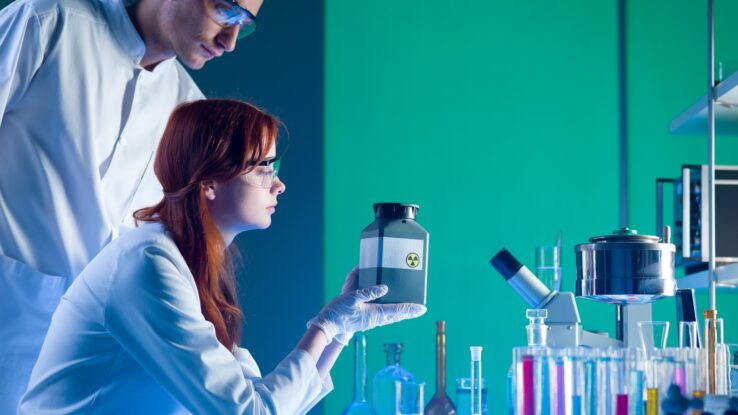
Laboratory work demands focus and respect for safety protocols.
Handling chemicals, biological agents, and sharps creates risks for everyone involved.
Without strict adherence to rules, accidents happen quickly.
Understanding the basics of waste disposal in science labs protects you, your colleagues, and the wider environment. Establishing these habits early prevents injuries and keeps the workspace functional for everyone.
Categorize Waste Streams Correctly
Segregation serves as the primary defense against accidents. You must separate materials based on their chemical and physical properties immediately after use. Mixing incompatible substances often causes dangerous reactions, including the release of toxic gases, fires, or explosions.
Specific Disposal Groups
- Chemical Waste: Solvents, acids, and reagents require distinct containers. Never pour chemicals down the drain unless an instructor or safety officer explicitly permits it.
- Biological Hazards: Cultures, petri dishes, and contaminated gloves belong in red biohazard bags. Facilities typically autoclave these materials to neutralize pathogens before final removal.
- Sharps: Broken glass, needles, and razor blades pose immediate physical threats. Place these items in rigid, puncture-resistant containers to prevent cuts during handling.
- Non-hazardous Trash: Uncontaminated paper and packaging go into standard waste bins. Keeping regular trash out of hazardous waste streams reduces disposal costs.
Label Every Container Clearly
Mystery substances threaten the safety of disposal teams. Every waste container needs a legible, durable label. Write out the full chemical names instead of using abbreviations or formulas. Ambiguity leads to handling errors.
Include the concentration and the specific date you generated the waste. Mark the hazard class prominently. Identify whether the substance ignites easily, corrodes surfaces, or poses a toxicity risk. This data helps waste management professionals process the material safely.
Maintain Storage Safety
Store waste containers in designated satellite accumulation areas. Keep these locations away from high-traffic zones, sinks, and floor drains to prevent accidental spills from entering the water supply. Secure lids tightly whenever you stop adding waste. Open containers release fumes and increase the risk of spills.
Use secondary containment, such as a tray or tub, under the bottles. This catches leaks before they reach the floor or shelving. Regular inspections of these areas identify problems like corrosion or bulging bottles early. Following strict protocols helps you remain compliant with your waste management strategies and institutional regulations.
Minimize Waste Production
Reducing waste volume simplifies the entire disposal process. Plan experiments to use the minimum amount of chemicals necessary to obtain a valid result. Microscale chemistry reduces hazards and disposal costs simultaneously.
Check the laboratory inventory before ordering new supplies. Buying duplicates results in expired chemicals that eventually need to be disposed of. Neutralize simple acids or bases as part of the experiment when the procedure allows. Thoughtful planning reduces the environmental footprint of your research.
Commit to Ongoing Safety
Safety relies on consistent action and awareness. Mastering the basics of waste disposal in science labs requires daily diligence. Every researcher bears responsibility for the materials they handle. Asking questions clarifies uncertainty. If a protocol confuses you, consult a supervisor immediately. Correct handling keeps the lab safe and productive for years to come.
Image Credentials: Photographer: Daco File #: 53650812
end of post … please share it!
| envato.com |
private student loans: when you need a little extra to pay for college


Comments