

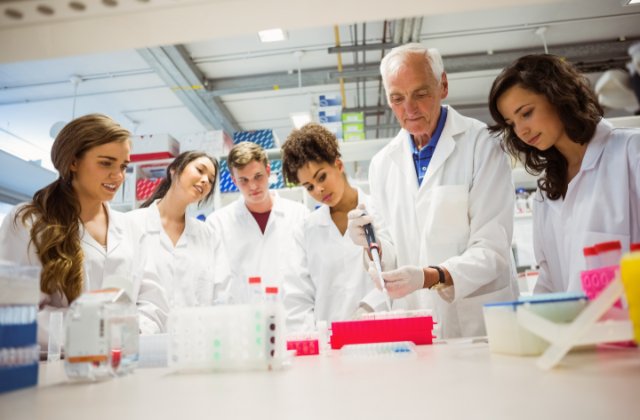
Walking into a college research lab for the first time can feel exciting and unfamiliar.
You may be stepping into a project already in progress, with routines and expectations the team already understands.
During early sessions, focus on watching how procedures unfold and learning where your work fits. Your first goal should be to listen closely and follow instructions with care.
Expect Training Before Independence
Most students begin with a formal orientation before they take on independent lab work. This early training shows you how the lab protects people, equipment, and research results. If you’re curious about what to expect in your first college research lab, start with the orientation process. It usually explains how the team works before you begin contributing to the research itself.
Training also helps you understand why small habits receive so much attention. A lab depends on accurate labels, clean workspaces, and careful records because research teams need results they can trace and repeat. In some settings, safety training may also cover tool-specific habits, such as proper scalpel handling, before students work near sharper instruments. Safety becomes part of the daily routine rather than a separate lecture you forget after orientation.
Your Role May Start Small
New research assistants often begin with simple but important responsibilities. One day, you might prepare materials for an experiment; another day, you might help a senior researcher keep records organized. These tasks can seem basic, yet they teach you how the lab maintains quality from step to step. Professors notice students who complete routine work carefully and communicate when they need help.
You should also expect a learning curve with the vocabulary and pace of research. Lab meetings may include terms you don’t recognize, and early conversations may move beyond your current coursework. Write down unfamiliar concepts and review them after each session so you can build confidence over time. This approach helps you understand the project without interrupting every discussion for background explanations.
Communication Shapes the Experience
Strong communication can help you avoid many first-lab mistakes. Ask your supervisor how they prefer updates, where you should record progress, and when you should report errors or unexpected results. Labs value honesty because hidden mistakes can waste time or affect future work. Clear notes also help you remember procedures when several days pass between shifts.
Lab work also teaches you how to function as part of a shared academic space. Students often expect their first college research lab experience to center on independent work, but teamwork shapes the experience just as much. You may need to coordinate bench time with another student or wait for access to a shared instrument. Respecting the lab’s schedule and cleaning up after each session shows you understand how research groups work.
Building Confidence Over Time
Your first lab experience can shape how you view academic research, graduate school, and career paths in science or engineering. You don’t need to arrive as an expert, but you should show curiosity and take your responsibilities seriously. Each shift gives you a chance to connect classroom concepts with real research decisions. With patience and preparation, the lab can become one of the most valuable learning spaces in college.
Image Credentials: WavebreakMediaMicro, 76146240
end of post … please share it!
| envato.com |
private student loans: when you need a little extra to pay for college


Comments