

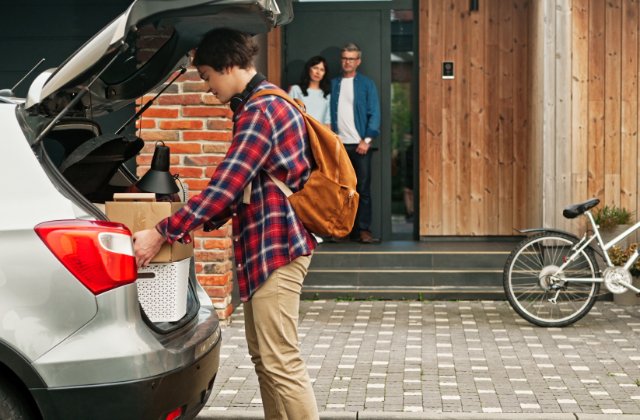
Living on a college campus means adjusting to unfamiliar schedules, crowded parking lots, and frequent trips between classes, work, and home. For students who bring a vehicle to school, these everyday conditions can gradually cause damage or create opportunities for theft. Understanding how to protect your car while living on a college campus involves more than keeping up with oil changes. A few practical habits can preserve your transportation without demanding much time or money. The key is recognizing the risks that come with shared parking and building sensible precautions into your regular routine.
Choose Your Parking Spot Carefully
Where you park can affect both security and the condition of your car. Whenever possible, choose well-lit spaces with regular pedestrian traffic rather than isolated corners of large lots. Look for working security cameras, but do not assume cameras prevent every incident. Lock your doors, close every window, and take your keys even when leaving for only a minute.
Avoid spaces beside sharp turns, crowded entrances, or overflowing dumpsters when alternatives exist. Parking beneath trees may provide shade, but branches, sap, and bird droppings can damage exterior surfaces. If your campus assigns parking areas, visit the lot before the semester gets busy and identify a few safer spots. Remember that parking regulations may change during sporting events, snow removal, or campus construction.
Keep Your Belongings Secure
A backpack, laptop bag, or even visible charging cable can attract unwanted attention. Take valuables with you instead of leaving them on the seat. If something must remain in the vehicle, move it into the trunk before reaching your destination rather than letting others watch you hide it. Never leave a spare key inside the cabin.
After driving friends around, check the back seat for forgotten phones, wallets, or school supplies. Store sensitive paperwork securely and avoid leaving documents containing personal information in plain view. Students should also learn how to report suspicious activity to campus security. Quick reporting can help protect other vehicles in the same parking area.
Protect the Paint and Exterior
A car parked outdoors throughout the school year faces sun exposure, rain, pollen, road grime, and sometimes salt from winter roads. Wash it regularly enough to prevent buildup from sitting on the finish for weeks. Use vehicle-safe cleaning products and clean microfiber towels, since abrasive sponges and household cleaners can leave marks or strip protective products.
Students do not need an elaborate detailing collection to maintain an attractive exterior. Knowing the difference between waxing and polishing your car helps distinguish adding protection from correcting minor paint imperfections. Neither process replaces gentle washing, and polishing should not become an automatic response to ordinary dirt. Remove bird droppings and insect residue promptly, following product directions to avoid rubbing contaminants into the paint. These small actions can make a noticeable difference over several semesters.
Prepare for Seasonal Weather
Campus weather can change dramatically between move-in day and final exams. Check tire pressure when temperatures drop, since cold weather can reduce readings. Replace worn windshield wipers, maintain adequate washer fluid, and inspect your lights before driving after dark. If you attend school somewhere with snow, keep an ice scraper and appropriate emergency supplies in the trunk.
During hot weather, a windshield sunshade can help reduce cabin heat. Whenever possible, avoid leaving food, electronics, or other heat-sensitive items inside the vehicle. In winter, clear snow from the roof, windows, and lights before driving. Never use hot water to melt ice on the windshield. Students living far from home should also check local seasonal driving requirements before traveling.
Stay Current With Basic Maintenance
A packed semester makes it tempting to postpone routine service. Follow the intervals in your owner’s manual and pay attention to warning lights, unusual sounds, or changes in handling. Short drives around campus can still be demanding, especially when the engine rarely reaches normal operating temperature. Check tire tread and fluid levels periodically rather than waiting until a problem interrupts your plans.
Before driving home for a holiday or break, inspect the tires, verify that the spare or repair kit is usable, and confirm your roadside assistance information is accessible. Save the contact details of a reputable local repair shop. Scheduling maintenance between major assignments is often easier than managing an unexpected breakdown during exams.
Avoid Damage in Busy Lots
Parking lots are especially crowded during class changes, move-in weekends, and campus events. Drive slowly, watch for pedestrians and cyclists, and give other drivers room to maneuver. If a parking space feels too narrow, choosing another spot is usually better than risking a scrape or door ding. Do not rush while backing out between tall vehicles that obstruct your view.
Be equally careful when loading furniture, groceries, and sports equipment. Protect the trunk opening with a soft blanket when moving bulky items, and secure loose cargo so it cannot strike interior panels. Ask a friend to guide oversized objects through doorways rather than forcing them into the cabin. Keeping the interior organized also reduces distractions while driving.
Create a Weekly Inspection Habit
You can catch many problems with a short walk around the car once a week. Look for fresh scratches, low tires, fluid leaks, and damaged lights. Remove trash, clean spills before they set, and make sure windows and mirrors are clear. These checks are especially useful when your vehicle sits in the same campus lot for several days.
Take photos of your vehicle when you arrive for the semester, including existing damage and the license plate. If an incident occurs, those records may help when contacting campus security, police, or your insurer. Review your coverage, deductible, and parking permit rules in advance so you know what steps to take. Keep an emergency contact and basic supplies accessible without depending entirely on a charged phone.
Build Habits That Fit Your Budget
Effective car care does not require an expensive monthly detailing appointment. Set reminders for inspections and service, combine washing with regular errands, and reserve a little money for unexpected repairs. If you rarely drive, periodically check the battery and tires rather than leaving the vehicle untouched for an entire term.
Finding ways to keep your car protected while living on a college campus comes down to consistency. Thoughtful parking, basic security, sensible cleaning, and timely maintenance work together to prevent avoidable problems. With a manageable routine, your car can remain dependable for class, work, weekend activities, and trips home while you focus on your education.
Image Credentials: by VAKSMANV, 921324975

Comments