

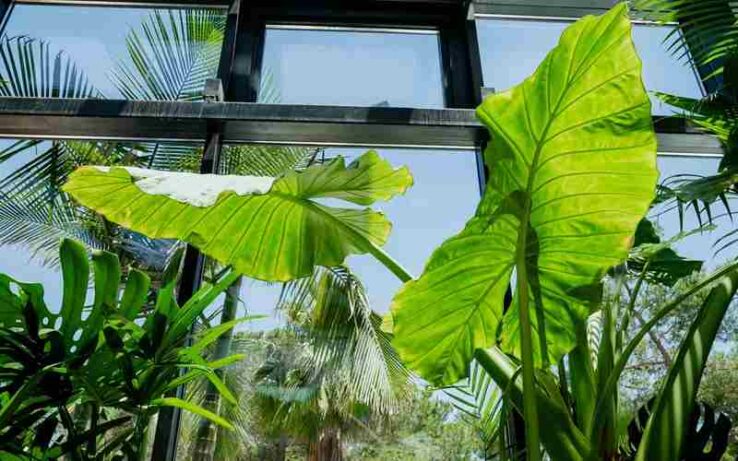
Modern buildings offer comfort and shelter, yet their environmental impact extends well beyond their walls. Construction consumes raw materials, while heating and cooling require energy throughout a building’s life. Development can also replace vegetation that once supported wildlife or absorbed rainfall. As communities grow, architects face a practical question: How can buildings meet human needs while placing less pressure on nature?
Understanding how biophilic design makes buildings more sustainable offers one answer. By incorporating natural light and vegetation into architectural planning, designers can reduce certain resource demands and reconnect developed spaces with their surroundings. The benefits depend on careful choices, not just the presence of plants.
What Makes Biophilic Design Environmentally Responsible?
Biophilic design draws on people’s connection with nature. It might introduce a planted courtyard into an office building or frame views of nearby trees through carefully positioned windows. These features can make indoor spaces feel connected to the landscape outside.
Environmental responsibility requires another layer of planning. A living wall that needs constant watering may consume more resources than its appearance suggests. Large windows can bring in welcome daylight, but poorly controlled sunlight may increase air-conditioning demand.
Architects therefore need to examine what each feature accomplishes. Natural elements contribute most when they improve building performance or support the surrounding ecosystem without creating unnecessary maintenance demands.
Natural Daylight Can Lower Lighting Demand
Windows and skylights can reduce reliance on electric lighting when they bring sufficient daylight into occupied rooms. Their placement matters more than their size alone. A well-positioned opening may brighten a work area throughout much of the day, while an oversized window can introduce glare and unwanted heat.
Building orientation and seasonal sunlight also affect the outcome. Exterior shading can limit direct summer sun in some locations while allowing useful daylight during cooler months. Interior layouts matter, too, because deep rooms may receive little light even when windows cover much of the facade.
Effective daylight design balances visual comfort with energy performance. Occupants still need artificial lighting after dark, but thoughtful planning can reduce how often they rely on it.
Trees and Green Roofs Can Moderate Heat
Pavement and dark roofing materials absorb sunlight and contribute to warmer conditions in built-up areas, an effect the U.S. Environmental Protection Agency calls the urban heat island effect. Trees can shade these surfaces, while vegetation releases water vapor through evapotranspiration. Both processes can help moderate local temperatures.
Green roofs offer another possibility. A layer of plants and growing medium can influence heat movement through a roof, particularly during warm weather. Performance varies with the roof’s construction and the local climate, however, and irrigation needs may affect the overall environmental benefit.
Designers should choose plants that can thrive under the site’s conditions. In dry regions, drought-tolerant species may make more sense than thirsty ornamental greenery. Long-term maintenance deserves attention from the earliest design stages because neglected vegetation cannot deliver its intended benefits.
Native Planting Can Support Local Wildlife
Buildings often occupy land that previously supported vegetation. Biophilic landscaping can restore some habitat value, even when a development has limited ground-level space.
Native flowering plants may provide food for local pollinators, while shrubs can offer shelter for birds. The ecological value of a planting scheme depends on the species present and how people maintain the area. A decorative lawn, for example, may support fewer organisms than a diverse planting area suited to local conditions.
Designers can strengthen habitat value by:
- Selecting plants that suit local rainfall and soil conditions.
- Creating connected planting areas where space allows.
- Limiting unnecessary nighttime lighting near habitats.
- Reducing pesticide use that can harm beneficial insects.
These choices help make vegetation part of the surrounding ecosystem rather than a separate decorative feature.
Planted Areas Can Help Manage Rainwater
Rainfall behaves differently on a paved site than it does in a vegetated landscape. Hard surfaces send water toward drains, sometimes carrying pollutants along the way. Plants and suitable soils can intercept rainfall and slow its movement.
Rain gardens collect runoff from nearby surfaces and allow some water to soak into the ground where conditions permit. Green roofs can retain some rainfall before releasing the remainder through drainage systems. Neither feature eliminates flooding risks, and heavy storms may exceed their capacity.
Engineers must account for soil permeability and local rainfall patterns when designing these systems. With appropriate drainage provisions, planted areas can complement conventional infrastructure and reduce pressure on stormwater networks during certain events.
Healthier Spaces Support Longer-Lasting Buildings
Sustainability is not only about resources. Spaces that offer daylight, fresh air, and views of greenery tend to be places people want to use, and buildings that people value are more likely to be maintained and kept in service rather than replaced. Research on occupant wellbeing in daylit and planted environments is still developing, so designers should treat comfort as a supporting benefit rather than a guaranteed outcome.
Outdoor Spaces Can Extend the Benefits
Biophilic design reaches beyond interior planting. Sheltered terraces and planted courtyards can create useful connections between a building and its landscape. In favorable weather, these areas may give occupants a comfortable place to gather without the energy demands of a fully conditioned room.
The transition between indoors and outdoors deserves particular attention. Designers can incorporate nature-inspired outdoor living spaces that balance shade with access to daylight. Thoughtful screening can make exposed areas more inviting while maintaining airflow where site conditions allow.
Material durability matters here as well. Outdoor components face moisture and temperature changes, and frequent replacement can undermine resource savings. Selecting suitable materials helps these spaces remain functional over time.
Material Choices Still Shape the Environmental Footprint
Plants cannot erase the impacts of resource-intensive construction. The materials behind green roofs, planters, screens, and structural framing all carry their own footprint, so architects need to consider them alongside the planting.
Reused components can reduce demand for newly manufactured products when they meet performance requirements. Responsibly sourced timber may suit some projects, although its environmental value depends on forestry practices and the building’s design. Durable products can reduce replacement needs, but long service life matters only when the materials remain appropriate for their intended use.
These decisions contribute to eco-friendly property development, where thoughtful material selection and long-term resource management help reduce the environmental impact of construction. A biophilic feature should receive the same scrutiny as any other construction element. Designers need to weigh the resources it consumes against the benefits it can realistically provide.
Making Nature Part of Long-Term Building Performance
The strongest biophilic projects respond to their location. A shaded courtyard may benefit a warm climate, while carefully positioned windows may offer greater value where winter daylight is limited. Local ecology also influences which planting choices make sense.
Looking closely at how biophilic design makes buildings more sustainable shows why thoughtful integration matters. Natural features can help reduce certain energy demands and restore ecological functions, provided architects account for their upkeep.
Buildings will continue to reshape landscapes as communities grow. Designing with natural systems in mind gives development a better chance of conserving resources while supporting the surrounding environment.
Image Credentials: By MarijaBazarova, #2080706757

Comments