

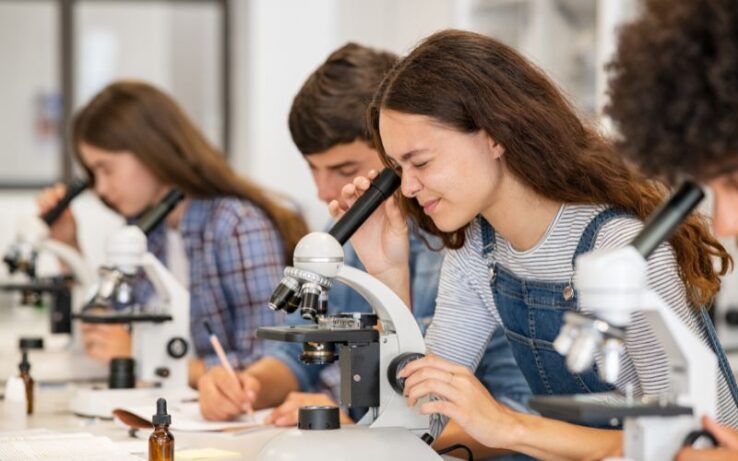
Safety in the science lab is essential. You can encounter many dangers in this unique environment, so it requires a structured and unwavering approach to minimize risks. Understanding the types of hazards, such as chemical, biological, and physical, and implementing reliable preventive measures is fundamental for safeguarding the well-being of students and lab personnel alike. Whether you’re a lab student yourself or a prospective science teacher, you should know the safety tips for how to improve classroom lab safety.
Understanding the Risks
Chemicals, as vital as they are to the educational process, can cause significant harm if not handled properly. All students and faculty should familiarize themselves with the common chemicals located in the school lab and their unique properties. Physical hazards, too, like slips or trips, can lead to injuries. Something as simple as accidental broken glassware can cause serious injuries in a school lab.
To combat these risks, familiarize yourself with the Material Safety Data Sheets (MSDS) for all substances used in the lab. These sheets hold crucial information about a chemical’s properties and its safety and health effects, giving teachers insight they can pass on to their students.
Lab Safety Guidelines
Lab safety guidelines should be comprehensive and clearly communicated. Every classroom must have visible safety procedures and protocols. Educators and lab technicians must ensure that students adhere to protocols at all times during lab work, with no exceptions. Accidents become remarkably less frequent when safety precautions become second nature to the students.
Additionally, don’t overlook the ergonomic design of the lab. Properly designed lab space improves the workflow and avoids clutter, leading to a safer and more efficient environment.
Handle Lab Tools and Materials With Care
Lab materials and equipment can be hazardous if you don’t use them correctly, so you must handle them with care. Broken glassware, spilled chemicals, or damaged equipment interrupt the learning process and create hazards for students.
Always remind students to treat lab tools and materials with respect. Be sure they know how to use them correctly while understanding their limitations. Conduct regular maintenance checks to identify any potential hazards and address them promptly.
Implementing Safety Measures
On the administrative side, reinforcing lab safety involves regular inspections and robust training programs. Designate a safety officer or committee responsible for inspecting the lab environment, tracking the status of safety equipment, and ensuring all procedures are up-to-date.
All personnel—both students and staff—should undergo comprehensive safety training before they can work independently in the lab. This training should be approachable and catered to the audience’s level, with practical demonstrations that exemplify the seriousness of adhering to safety protocols.
In a perfect educational world, accidents wouldn’t happen. However, with so many things happening in the lab and so many moving parts, accidents will happen. Ensuring diligence and adherence to safety standards must be the highest priority. Safety isn’t an afterthought; it’s the foundation of any successful science lab experience.
By taking these initial steps toward a safer classroom science lab environment, we protect the physical health of all individuals involved and foster a positive and secure atmosphere for learning and discovery. Whether you’re a lab student or studying to be a lab educator, remember these methods of keeping your laboratory space safe.


Comments