

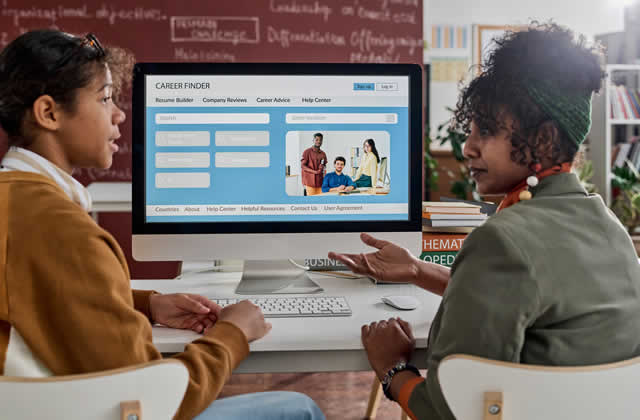
Navigating the college admissions process is more than just a rite of passage—it’s a pivotal moment in every student’s life.
Yet, with the college admissions landscape undergoing significant transformations, students and their families are left wondering how to best present themselves to their dream schools.
Authenticity has become the gold standard for applications, prompting institutions to seek alternatives to the traditional personal essay. This evolution offers prospective students new opportunities to highlight their unique skills and experiences.
Rethinking the Personal Essay Tradition
For decades, the personal essay has been a staple of college applications. It allows students to express their individuality and share their stories beyond grades and test scores.
However, as the college admission process becomes increasingly competitive, some institutions are questioning the essay’s ability to accurately reflect a student’s capabilities and authenticity.
Enter alternative evaluation methods. Colleges are now exploring options like portfolios, interviews, and graded class assignments. Each offers a different lens through which students can showcase their talents.
- Portfolios, for instance, provide a visual and comprehensive view of a student’s work. This format is especially beneficial for students in arts and humanities, allowing them to present tangible proof of their skills.
- Interviews offer a more personal touch, giving students a chance to articulate their passions and ambitions directly to admissions officers. However, not everyone excels in this high-pressure setting, which can be a drawback for some.
- Graded class assignments present an authentic snapshot of a student’s academic abilities. They emphasize the importance of consistent performance over time, rather than a single piece of writing.
How Changes Affect Future Students
These changes in evaluation methods have profound implications for high school students. Gone are the days when a single essay could make or break an application. Today, students have a broader canvas to paint their narratives.
This shift allows students to showcase a wider array of skills and talents. For instance, a student who excels in science might present a portfolio of experiments and projects. Meanwhile, a budding journalist could share published articles and essays from coursework.
This diversity in application presentation encourages students to think beyond the standard formats and engage creatively with their applications. It also helps reduce the pressure associated with crafting the "perfect" personal essay.
The Role of Technology in Admissions
Technology is increasingly woven into the fabric of college admissions. Digital portfolios are becoming commonplace, offering students a dynamic way to present their work online. These portfolios can include videos, images, and interactive content, providing a richer experience for admissions officers.
Online interviews are also gaining traction. They offer convenience and flexibility, allowing students to connect with admissions panels regardless of geographical barriers. However, they do require technical savvy and preparation to ensure a smooth experience.
The integration of technology not only streamlines the process but also aligns with a generation of digital natives who are accustomed to interacting in online environments.
Tips for Applicants and Their Families
For students, navigating these changes means making strategic choices about how to present themselves. Here are some tips:
- Explore all options: Understand the various components you’re allowed to submit. Choose the method that best highlights your strengths.
- Prepare thoroughly: Whether it’s a portfolio or an interview, preparation is key. Practice, seek feedback, and refine your materials before submission.
- Stay authentic: Regardless of the format, authenticity should remain at the heart of your application.
Parents, too, play a crucial role in this process:
- Support exploration: Encourage your child to experiment with different formats and find their unique voice.
- Provide resources: Help them access tools and resources to create digital portfolios or practice for interviews.
- Be a sounding board: Offer constructive feedback, but ensure your child’s voice is the one that shines through.
Moving Forward With Confidence
The college admissions process is evolving, and with it comes both challenges and opportunities. For students, it’s an invitation to showcase their true selves beyond mere numbers and test scores. By embracing these changes and exploring alternative evaluation methods, applicants can present a multidimensional picture of their abilities and potential.
other related articles of interest:
Navigating the College Search Maze Tips for Finding Your Perfect Fit
In this dynamic landscape, authenticity remains the guiding principle. Whether through a portfolio, interview, or class assignment, students have the freedom to express who they are and what they bring to the table.
The future of college applications is bright, and it promises a more inclusive and holistic evaluation process that celebrates diversity and individuality.
Image Credit: college application without personal essays by envato.com
end of post … please share it!
| envato.com |
SHOP DORM: wall art



Comments