

College campuses are rapidly changing what it means to "get in the game." The rise of non-traditional sports is transforming the student recreation landscape.
Gone are the days when football, basketball, and soccer were the only games in town.
Words like "spikeball," "bubble soccer," and "foot golf" crop up in campus group chats, showing just how much college sports culture has shifted.
This blog explores the explosive popularity of these unique sports, explains why they’re gaining traction, and breaks down what makes them such a powerful draw for students who might not have seen themselves in classic team sports.
If you’re entering college soon, or simply curious about the new face of campus recreation, here’s everything you need to know.
The Rise of Non-Traditional Sports in Colleges
Colleges are constantly on the lookout for new ways to engage students and build community. Recently, that search has led to the adoption of non-traditional sports that combine fun, accessibility, and inclusivity.
These emerging games offer a low barrier to entry, require minimal prior experience, and often emphasize creativity and teamwork as much as competition.
-
Spikeball
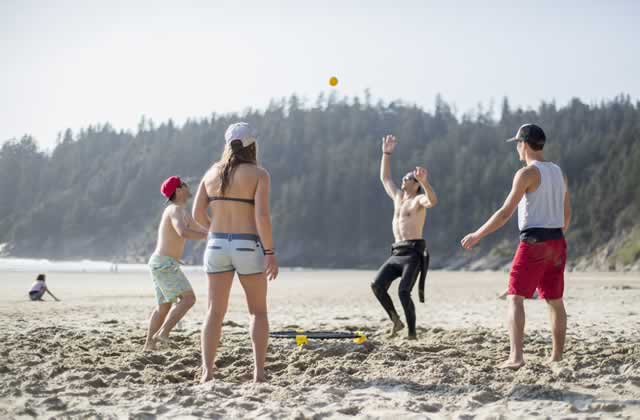
Spikeball stands out as one of the leaders of the unique sports movement on college campuses. The game consists of a small, round net placed at ankle height, and two teams of two try to bounce a ball off the net so the opposing team can’t return it.
Its rules blend elements of volleyball and four square, but with enough twists to keep gameplay fresh and exciting. Spikeball’s appeal lies in its simplicity and portability, making it a go-to for campus quads, rec centers, and even spontaneous dorm room tournaments.
ESPN’s coverage of the college spikeball national championship has only fueled its campus fame.[1]
-
Bubble Soccer
Bubble soccer, sometimes called bubble football, takes the familiar rules of soccer and amps up the fun by placing players inside large, inflatable bubbles that cover the upper body and head. The result is a physical, laughter-filled spectacle where bumping and bouncing opponents become key strategies.
Colleges use bubble soccer for student orientation events, intramural leagues, and stress-busting activities during finals. Its accessible format ensures anyone can play, regardless of prior soccer experience or athletic background.
Foot Golf
Foot golf merges golf and soccer into a creative new sport where players kick a soccer ball into oversized holes on a golf course, using as few shots as possible. The game’s accessibility and novelty help draw students who may find traditional golf intimidating or exclusive.
Many campuses now host official foot golf tournaments, often partnering with local golf courses to create special layouts.
The United States FootGolf Association recognizes collegiate play as a critical path for spreading the sport nationwide, and the fun blend of skill and strategy has fueled rapid adoption on campus rec calendars.[2]
-
IM Combine
The Intramural Combine, often called "IM Combine," takes inspiration from the NFL Combine, offering students a suite of physical challenges and skills tests. Unlike competitive sports, the IM Combine focuses on personal achievement and group fun rather than just winning.
Participants might face agility ladders, vertical jumps, timed sprints, and accuracy throws. Its structure offers a chance for all skill levels to shine, making it a popular event for students seeking community and fitness in a less traditional sports context.
-
Tube Water Polo
Tube water polo provides a fresh spin on aquatic sports by having players compete while seated in inflatable tubes. The gameplay resembles classic water polo but features a much lighter, more playful vibe.
Tube water polo is now a staple in many college intramural programs, offering water fans the thrill of competition balanced with plenty of humor and teamwork. The sport’s inclusive nature means strong swimming ability is less important, and the emphasis shifts to strategy and collaboration.
Benefits of Non-Traditional Sports
The expansion of non-traditional and unique sports brings more than just novelty to college life. These games often require less specialized gear and training than traditional sports, which increases access and lowers participation barriers. They also help students forge social connections in low-pressure, high-fun environments.
Unique sports are well-documented for reducing performance anxiety. With less emphasis on established skill or competition histories, students focus more on enjoyment and exploration. This approach improves mental health and brings students together across diverse backgrounds.
According to a 2022 NIRSA (National Intramural-Recreational Sports Association) survey, campuses introducing non-traditional intramurals report up to a 40 percent jump in total student participation, with marked improvements in campus morale and social engagement.[3]
Additionally, these games open important doors for physical activity among students who may feel excluded by classic sports. Movement, laughter, and creative gameplay replace the pressure of varsity tryouts, while still encouraging fitness.
This can help students develop lifelong positive attitudes toward physical health, which is especially important during a transitional period like college.
Attracting a Broader Range of Participants
Perhaps the most valuable outcome of the non-traditional sports boom is its power to attract participants from all walks of campus life. The casual atmosphere removes many of the social and psychological barriers that keep students off the field or court.
Students often cite fear of embarrassment, lack of experience, or intimidation by established teams as reasons for avoiding classic collegiate sports. By contrast, unique sports like spikeball and bubble soccer have no entrenched hierarchies or skill ladders to climb. They reward curiosity and adaptation, not years of training. This inclusivity aligns with broader campus goals around student wellness, diversity, and retention.
Campus recreation staff report greater engagement from first-generation college students, international students, and those previously uninvolved in extracurriculars when non-traditional sports are offered.
This leverages the natural creativity and diversity of college populations, making recreation more welcoming and representative. These sports also foster leadership, strategic thinking, and cooperation skills that translate far beyond the playing field.
other related articles of interest:
Campus Life by the Water: Which Water Sports Should You Try?
From High School to College: Preparing for Intramural Sports
New Traditions Are Shaping Campus Life
Non-traditional and unique sports are more than a passing trend on college campuses. They represent an evolution in how institutions approach student engagement, wellness, and community. Their lasting impact is clear in both rising participation numbers and in the way students talk about campus recreation as a space for everyone.
For new and returning students alike, the world of non-traditional sports offers countless opportunities to try something new, build connections, and redefine what athletic success looks like.
Whether you’re looking for a fun way to stay active or a chance to meet people outside your major, exploring these unique sports can be one of the most rewarding experiences in college life. Check out your school’s recreation center or student life office for ways to get involved, and be part of the movement that’s redefining campus tradition.
- ESPN, Spikeball National College Championship, https://www.espn.com/college-sports/story//id/29620083/spikeball-2020
- United States FootGolf Association, Collegiate Program, https://www.usfootgolf.org/collegiate-program
- NIRSA National Intramural-Recreational Sports Association, Intramural Trends 2022, https://nirsa.net/nirsa/intramural-recreation-participation/
Image Credit: by envato.com
end of post … please share it!
| envato.com |
GUIDE: understanding college financial aid



Comments