

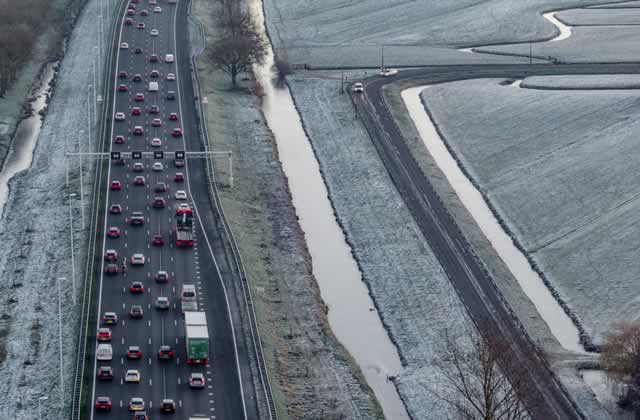
Commuting in Colorado tests student patience and planning. Rush hours clog major highways, causing delays that disrupt class schedules.
Sudden weather shifts turn ordinary drives into risky trips, with snow, ice, and heavy rain affecting visibility and road conditions.
Public transit, while affordable, often runs behind schedule, forcing students to adjust their timing.
Navigating Colorado traffic, weather, and transit requires awareness, preparation, and flexibility. Students must juggle multiple factors daily to reach campus safely and on time. This guide provides practical strategies to manage driving, biking, and public transit.
Understanding Colorado’s Traffic Patterns
Colorado roads often see heavy congestion near university areas, especially during morning and evening peak hours. Students traveling along I-25, I-70, and major city streets experience delays that can throw off class schedules.
With this in mind, planning departure times earlier or later than typical rush hours reduces stress. Apps like Google Maps, Waze, and local traffic trackers show real-time conditions, accidents, and construction zones.
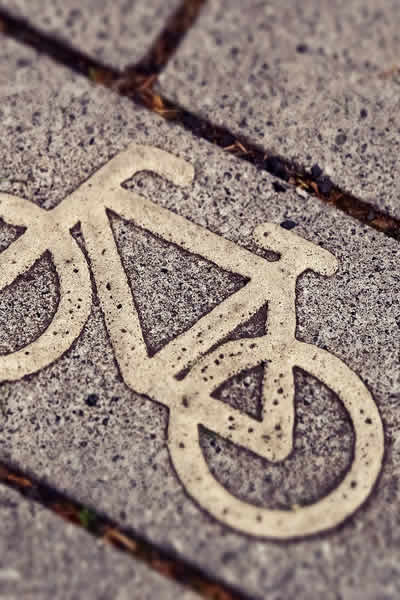
Another key point is that learning multiple routes between home and campus prevents being stuck when the main road clogs. Traffic signals, highway merges, and school zones further affect travel speed.
Staying alert and adjusting routes in response to live updates improves punctuality. Students who track patterns over a few weeks can predict slow periods and choose efficient paths.
Seasonal Weather Hazards for Commuters
Colorado weather changes fast, with snow, ice, and sudden rain disrupting commutes. Drivers often misjudge road traction during winter storms.
Of course, checking weather forecasts each morning helps plan safer routes. Carrying snow chains, extra warm clothes, and a flashlight improves preparedness. Sidewalks and bike lanes can freeze unexpectedly, affecting students walking or biking.
In short, leaving earlier or choosing public transit during harsh weather prevents delays. Rainstorms can reduce visibility on highways, while wind gusts challenge cyclists.
Watching local traffic reports alongside weather apps gives a complete commuting picture. Students who adapt daily travel based on conditions save time and avoid unnecessary risks.
Public Transit Options for Students
City buses, light rail, and shuttles cover most campuses and neighborhoods. Similarly, students can save money with discounted passes and monthly plans.
Routes may shift during holidays or maintenance, so check schedules regularly. Apps like Transit or Moovit provide live updates for arrivals and delays.
Besides, sitting near exits and knowing transfer points reduces wait time and walking distance. Riding public transit also relieves stress from traffic jams.
Some buses offer bike racks, which help cyclists combine travel methods. Students can plan multiple options for one trip, increasing reliability. Keeping a backup route ready prevents missed classes and unexpected lateness.
Preparing for Emergencies on the Road
Navigating Colorado traffic, unpredictable weather, and transit options requires more than just planning your route—it means preparing for the unexpected. Keep a basic emergency kit with essentials like tools, water, and snacks to stay safe during delays.
Roadside assistance apps can provide quick help if car trouble arises, while knowing alternative routes in advance makes it easier to adjust when traffic or transit cancellations disrupt your schedule.
Students relocating for college should also take time to familiarize themselves with campus and city emergency contacts, local hospitals, and transit offices before classes begin. Staying calm, organized, and proactive when issues arise helps prevent small setbacks from turning into bigger problems.
Regularly checking your vehicle’s condition or monitoring transit alerts can make your move to campus smoother and less stressful.
Navigating Colorado Traffic, Weather, and Transit
Managing all three factors requires preparation and flexibility. Above all, monitor traffic apps, weather alerts, and transit schedules before leaving home. Plan routes that avoid construction or accident-prone roads.
At the same time, give yourself extra travel time on snowy or rainy days. Public transit can fill gaps when driving slows down. Staying calm and adjusting plans reduces stress. With this in mind, carrying water, snacks, and chargers makes trips more comfortable.
Students who anticipate delays arrive on time more consistently. Combining driving, biking, and public transit creates dependable commuting options. Efficient commuting starts with observing patterns, adapting daily, and reacting to changes promptly.
Bicycle and E-Scooter Commuting
Biking and scooters save money and reduce traffic stress. In like manner, students should map safe streets and bike lanes before leaving. Weather affects riding safety, so wearing reflective gear and helmets helps prevent accidents. Lock bikes in secure areas, and charge scooters fully before trips.
Then again, plan extra time in case roads get slippery. Some transit stations allow bikes on buses or trains, making mixed commuting easier. Students should also practice safe braking and turning in snow or rain. Knowing maintenance spots and repair shops prevents long delays. Combining small rides with transit increases flexibility and reliability.
Carpooling and Ride-Sharing Tips
Sharing rides reduces cost and traffic exposure. However, students should communicate clearly about schedules and pick-up points. Ride-sharing apps like Lyft or Uber provide convenient options when public transit runs late. On the other hand, confirm safety measures and routes before accepting rides.
Carpooling with classmates helps reduce parking stress and environmental impact. Some universities organize ride boards for students. Besides, alternating drivers gives everyone a break from long commutes.
Students should track traffic and weather conditions to adjust carpool timing. Carpooling works best when everyone stays flexible and punctual.
Time Management for Commuters
Estimating travel times reduces last-minute stress. For this reason, students should plan departure times with buffers for traffic or transit delays. Tracking patterns over weeks reveals consistent slow zones. With this in mind, packing materials and preparing backpacks the night before saves precious minutes. Prioritize tasks to avoid rushing between classes. Using planners or calendar apps improves scheduling accuracy.
In short, leaving even five minutes earlier often prevents missed lectures. Some students combine commuting with study time on transit. Monitoring weather and traffic daily supports realistic time management. Being proactive keeps commuting predictable and reduces anxiety.
other related articles of interest:
Mastering Student Commutes in Colorado
Students can reduce stress and save time by navigating Colorado traffic, weather, and transit carefully. Planning routes, monitoring conditions, and using public transit or alternative travel options improve daily commutes.
With this in mind, combining preparation and flexibility ensures punctuality, safety, and confidence for every student traveling across the state.
Image Credit: navigating Colorado traffic by envato.com
end of post … please share it!
| envato.com |


Comments