

As a college student, you are likely managing a tight budget while juggling classes, work, and social commitments.
If you own a vehicle, adding car maintenance to your list of responsibilities might feel overwhelming.
However, understanding basic maintenance tasks can save you significant money and prevent costly repairs down the road. Regular upkeep also ensures your safety and the safety of others on the road. Learning these skills now will benefit you throughout your life as a vehicle owner.
Understand Your Vehicle’s Fluid Systems
Your car relies on several critical fluids to operate safely and efficiently. Engine oil lubricates moving parts and reduces friction within your engine, making regular oil changes one of the most important maintenance tasks you can perform.
Most vehicles require an oil change every 3,000 to 7,500 miles, depending on your car’s age and the type of oil used. You should also monitor your coolant levels, as this fluid prevents your engine from overheating during hot weather and freezing during winter months.
Brake fluid, transmission fluid, and power steering fluid are equally important, and you should check these levels regularly according to your vehicle’s manual. Learning to identify these fluids and understanding their purposes will help you catch potential problems before they become serious.

Maintain Your Tires and Wheels
Your tires are your vehicle’s only contact with the road, making their condition crucial for safe driving. Check your tire pressure at least once a month, as underinflated tires reduce fuel efficiency and can overheat, leading to blowouts.
You can find the correct tire pressure for your specific vehicle on a label inside the driver’s side door frame or in your owner’s manual. Rotate your tires every 5,000 to 7,000 miles to ensure even wear and extend their lifespan.
Additionally, inspect your tires for signs of wear, such as uneven tread or bulges in the sidewall, which indicate they need replacement. Establishing a tire maintenance routine early will keep you safe and reduce unexpected expenses.
Keep Your Battery and Electrical Components in Working Order
A dead battery can leave you stranded, especially during winter months when cold temperatures reduce battery effectiveness. Check your battery terminals for corrosion, which appears as a white, blue, or green crusty buildup around the connections.
If you notice corrosion, you can clean it using a mixture of baking soda and water applied with a battery brush, restoring a clean connection and improving battery performance. Beyond the battery itself, make sure all your lights are functioning properly, including headlights, brake lights, and turn signals, as these are essential for both safety and legal compliance.
Test your windshield wipers regularly and replace them if they streak or skip across the glass, since clear visibility is critical in rain or snow. Paying consistent attention to these electrical components will help you avoid unexpected breakdowns and keep you visible to other drivers in all conditions.
Develop a Regular Inspection Schedule
Establishing a maintenance schedule helps you stay on top of necessary tasks and prevents you from overlooking important checks. Review your vehicle’s manual to understand the manufacturer’s recommended maintenance intervals for your specific model and year.
According to the Car and Driver guide on car care basics, following a consistent service schedule is one of the most effective ways to preserve your vehicle’s long-term performance and value.
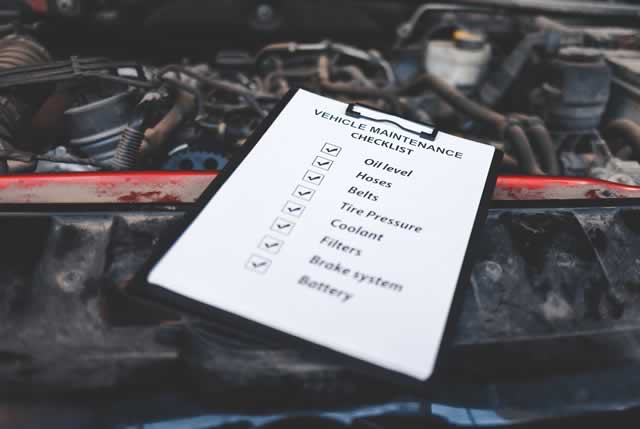
Create a simple checklist that includes tasks like checking fluid levels, inspecting brakes, and examining hoses and belts for cracks or leaks, and mark these tasks on your calendar or set phone reminders so you do not overlook them.
When your vehicle uses a diesel engine and requires specialized service, a diesel mechanic in Las Vegas provides the expertise needed to diagnose and address issues that general service centers may not be equipped to handle.
This organized approach is especially beneficial for college students who are managing multiple responsibilities and may not have immediate access to professional mechanics.
Conclusion
Taking care of your vehicle as a college student does not have to be complicated or expensive. By understanding your car’s fluid systems, maintaining your tires, keeping your electrical components in good working order, and developing a regular inspection schedule, you can significantly extend your vehicle’s lifespan and reliability.
These foundational maintenance practices will serve you well beyond your college years. The time and effort you invest in learning basic car care now will pay dividends through safer, more dependable driving and substantial cost savings.
Making vehicle maintenance a regular habit demonstrates responsibility and protects one of your most valuable assets.
other related articles of interest:
Image Credit: by envato.com
end of post … please share it!
| envato.com |
private student loans: when you need a little extra to pay for college


Comments