

Extreme weather events can be intense, presenting challenges for drivers and commuters worldwide.
Whether you’re heading back to campus or home for the holidays, staying safe on the road is paramount.
Understanding how extreme weather events affect road safety can allow you to make better decisions while driving.
Rain and Flooding
Heavy rainfall poses one of the most common yet dangerous threats to drivers. Half a foot of moving water can knock a person down, and even one foot can move a vehicle.
A variety of items can be on the road during heavy rain, ranging from animals to parts of other vehicles. If you accidentally drive off the road, one potential hazard you may encounter is utility poles. The possible results of a car hitting utility poles can range from mild damage to extreme problems for both you and the utility poles.
When heavy rainfall hits, pull over to the side of the road to avoid driving in unsafe conditions. If possible, get to a safe building and exit your car.
Snow and Ice
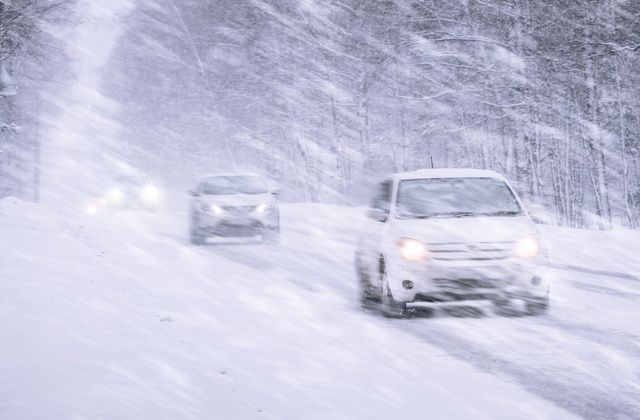
Winter weather can be challenging to navigate, especially on long drives home or back to school. Black ice forms invisibly on road surfaces, particularly on bridges, overpasses, and shaded areas —places where many students drive without knowing the dangers.
Snow can affect traction and visibility simultaneously. Fresh powder might seem manageable, but it can hide dangerous ice underneath. Packed snow becomes slippery, while slush creates unpredictable handling conditions.
Move with caution through snow and ice. Sudden acceleration, braking, and steering can cause you to skid and lose control of the vehicle. If the weather is severe enough, consider postponing your drive or traveling slowly and carefully.
High Winds
Strong winds can pose a unique challenge for students in larger vehicles, such as trucks or SUVs. Crosswinds can push cars out of their lanes, while sudden gusts can catch drivers unprepared. Bridges and open highways are particularly vulnerable to wind effects.
Grip the steering wheel firmly with both hands to avoid losing control of the vehicle. Watch for any debris and be cautious when passing large vehicles.
Heat Waves
Heat may not seem like a significant danger on the road, but it can cause severe damage. With intense heat, pavement can become soft and sticky, affecting tire performance and braking distance. Vehicle components, such as tires and batteries, are more likely to fail in extreme heat.
Fatigue is also common during heat waves, as the body struggles to cool itself even with air conditioning. Dehydration can impair your reaction time and decision-making abilities, increasing the likelihood of accidents.
Stay hydrated and ensure that your car’s cooling system is functioning properly to keep the heat at bay. When extreme weather is forecast, consider staying home if the heat is too severe. Your safety is more important than heading out in the severe weather.
Sometimes the safest choice is not driving during severe weather. All college students should consider this when planning to travel during extreme weather events. With the understanding of how severe weather can impact your safety on the road, take precautions before you head out on the road. It’s better to over-prepare than under-prepare.
Image Credentials: By Vladimir Razgulyaev, File 1220832994
end of post … please share it!
| envato.com |


Comments