

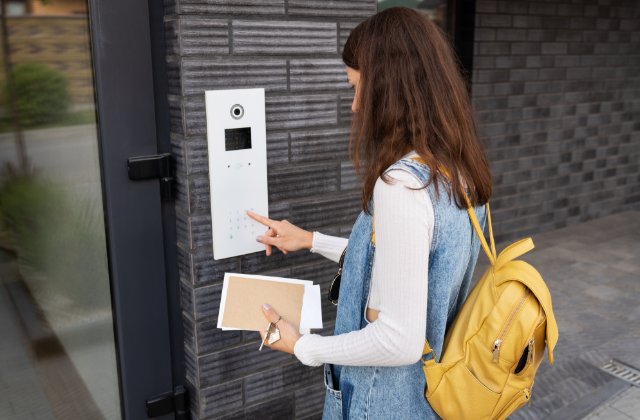
Living away from campus can offer more independence, but it also requires you to take greater responsibility for your surroundings.
Unlike a residence hall with controlled access and staff nearby, an apartment or rental home may place security decisions in your hands.
Following these important tips for living off campus safely can help you create practical habits, recognize potential risks, and feel more confident in your new environment.
Choose Your Neighborhood Carefully
Safety begins before you sign a lease. Spend time learning about the neighborhood around any apartment or house you are considering. Visit the area during the day and after dark so you can see how lighting, traffic, and activity change. Pay attention to the route between your home and places you expect to visit, including campus.
Look closely at the property itself as well. Check exterior doors, windows, stairwells, parking areas, and building entrances. A well-maintained property can make it easier to notice security concerns and address them. Ask the landlord how tenants report broken locks, damaged lights, or other problems that could affect safety. Understanding the maintenance process before moving in can prevent frustration later.
Secure Doors and Windows
Make a habit of locking your doors every time you leave, even if you only expect to be gone briefly. Lock the door while you are home as well. Students often become comfortable with roommates, neighbors, and frequent visitors, which can make an unlocked door seem harmless. Consistent habits provide better protection than relying on familiarity.
Windows also deserve attention, especially on lower floors or near fire escapes. Confirm that each window closes securely and that its lock functions correctly. Never disable a lock because it feels inconvenient. If something does not work properly, contact your landlord instead of attempting a temporary solution that could leave the apartment vulnerable.
Use Modern Access Features Wisely
Some apartment communities use electronic locks, mobile credentials, or access codes instead of traditional keys. These tools can make entry more convenient while giving property managers greater control over building access. In many settings, keyless entry systems transform apartment security by reducing problems associated with lost or copied keys.
Technology still requires responsible use. Protect access codes as carefully as you would protect a key, and avoid sharing them casually with friends or delivery workers. If your phone serves as a credential, keep the device locked with a secure passcode. Report lost devices or suspected access problems promptly so management can take action.
Get To Know Your Roommates
Roommates affect household safety because everyone shares responsibility for doors, guests, and common spaces. Talk about basic expectations soon after moving in rather than waiting until a problem occurs. Agree on how you will handle locking doors, letting visitors inside, and communicating when someone plans to have guests over.
These conversations should also cover what happens when someone travels or stays elsewhere overnight. Knowing who should be home can help roommates recognize unusual activity. You do not need to monitor one another, but basic communication reduces confusion and helps everyone respond more quickly when something seems out of place.
Be Careful With Visitors
Inviting friends over is a part of off-campus life, but residents should remain aware of who enters the building. Avoid holding secure doors open for strangers simply because they appear to belong there. Let unfamiliar visitors contact the person they came to see rather than giving them access yourself.
When hosting a gathering, keep track of entrances and avoid allowing the event to expand beyond the people you intended to invite. Ask guests not to prop exterior doors open. Once everyone leaves, check that doors and accessible windows are secure. A quick check can restore your security routine after a busy evening.
Plan Safe Transportation
Consider how you will travel between campus and home before late classes or social events make transportation more complicated. Learn the schedules and service areas for campus transportation if your school offers it. Identify well-lit walking routes and know which transportation options remain available.
If you walk home, stay aware of your surroundings rather than becoming absorbed in your phone. Keep headphones at a volume that allows you to hear traffic and activity. When possible, coordinate with friends or roommates if you expect to return late. A little planning can prevent you from making rushed transportation decisions.
Protect Your Personal Information
Your physical address is information, so think carefully before posting details about your home online. Photos can unintentionally reveal apartment numbers, building entrances, or recognizable landmarks. Posts about vacations can also advertise that your residence may be empty.
Review privacy settings on social platforms and limit location sharing to people you trust. Be cautious when selling items online or arranging exchanges with strangers. Meeting in a public location may provide a more comfortable option than giving an unfamiliar buyer your home address.
Prepare for Household Emergencies
Safety also involves preparing for problems inside the apartment. Learn where smoke alarms are located and notify your landlord if one appears damaged or does not function. Find the safest exits from your unit and building so you do not have to determine an escape route during an emergency.
Keep important contact information easy to access. Save your landlord or property manager’s number along with campus safety information and non-emergency contacts. Talk with roommates about how you would communicate if an emergency forced you to leave the apartment. Simple preparation can make situations easier to manage.
Trust Your Judgment
You do not need proof that something is wrong before taking a situation seriously. If a person, vehicle, or circumstance makes you uncomfortable, move toward a safer location and contact someone you trust. Do not confront strangers if leaving the area is the safer option.
Report broken entry doors, suspicious activity, or repeated security concerns to the property manager or local authority. Acting early can protect you and other residents. Paying attention to patterns around your building also helps you recognize when something differs from the routine. Small precautions can make daily routines feel more predictable and manageable.
Build Safe Habits for Off-Campus Life
Living independently becomes easier when safety practices become part of your routine rather than actions you remember only when something goes wrong. The most important tips for living off campus safely focus on awareness, communication, and consistent choices that fit naturally into student life. By securing your home, planning how you travel, and responding promptly to concerns, you can enjoy greater independence while creating a living environment that feels comfortable and well managed.
Image Credentials: By Artsaba Family, 476085909
end of post … please share it!
| envato.com |
private student loans: when you need a little extra to pay for college


Comments