

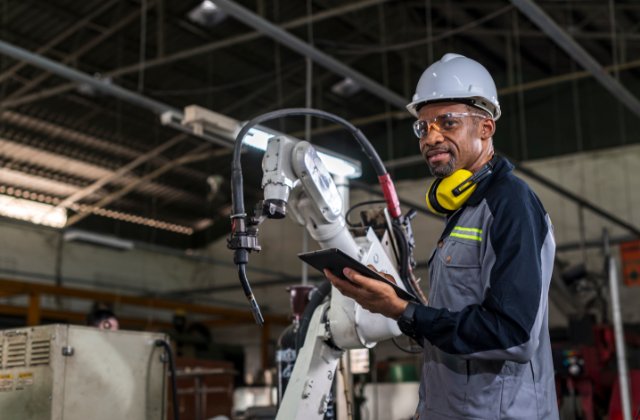
Interested in working with robots? You have a wide range of career options to explore, and they don’t all revolve around building machines from scratch. Some roles focus on programming, while others center on maintaining equipment or developing automated systems. These robotics careers give you several ways to turn a technical interest into a profession.
Robotics Engineer
Robotics engineers develop robotic systems for tasks that need automation. Their work starts with understanding what the robot needs to accomplish, then determining how the machine should move and interact with its surroundings.
A robotics engineer may spend part of a project designing components and another part testing how those components function together. Problems discovered during testing go back into the design process for revision. People who enjoy solving technical problems while working with physical machinery may find this career appealing.
Robotics Software Engineer
A robot needs software to control what happens after its hardware powers on. Robotics software engineers develop the programs that tell machines how to respond to commands and information from their sensors.
The work requires an understanding of how software affects physical movement. A minor programming error isn’t confined to a computer screen when the code controls machinery. Engineers test their programs against the robot’s intended behavior, then revise the code when movement, timing, or communication doesn’t match the system’s requirements.
Robot Programmer
Industrial robots repeat programmed movements during manufacturing processes. Robot programmers create and adjust those movement sequences so the equipment performs its assigned task correctly.
Programming may happen through specialized software or through a teach pendant connected to the robot. The programmer needs to understand the physical work taking place because the robot’s path affects how it interacts with parts and nearby equipment. This career gives you a hands-on connection between code and manufacturing without requiring you to spend every workday behind a desk.
Automation Retrofit Engineer
Retrofitting is the process of adding newer automation technology to equipment that a facility already owns. This is a common route manufacturers take when they want greater automation but aren’t replacing an entire machine.
Knowing how to retrofit equipment like CNC machines for automation requires an understanding of the original machine before new components enter the equation. A retrofit engineer determines how automation will interact with the existing equipment and plans the integration around those limitations. The career brings older machinery and newer robotics technology into the same project.
Machine Vision Engineer
Robotic systems sometimes need to identify an object before they can interact with it. Machine vision engineers develop systems that use cameras and image-processing software to give robots that information.
Their work centers on getting reliable visual data from the robot’s environment. Lighting conditions and camera placement affect what the system detects, so engineers spend considerable time testing and adjusting the setup. Manufacturing facilities use machine vision for jobs such as locating parts before robotic handling. Engineers refine these systems until the robot receives the visual information it needs.
Robotics Technician
Not every robotics career revolves around designing new technology. Robotics technicians work with equipment that’s already operating and handle the technical problems that occur during regular use.
A technician may investigate why a robot has stopped completing its programmed cycle correctly. The problem could involve a mechanical component or an electrical fault, so the job requires knowledge of the entire system. Technicians also work around production schedules, where getting equipment functioning properly again affects whether other manufacturing work can continue.
Controls Engineer
Automated equipment contains several systems that need to communicate with one another. Controls engineers develop the logic responsible for coordinating those systems during operation.
Programmable logic controllers, commonly called PLCs, are central to many industrial automation environments. A controls engineer programs how equipment responds to inputs from the production process. If a sensor detects that a part has reached the correct location, for example, the control system determines what should happen next. This career focuses heavily on the logic behind automated machinery rather than the mechanical design of the robot itself.
Robotics Test Engineer
A robotic system needs extensive testing before anyone relies on it for production work. Robotics test engineers examine how equipment performs under the conditions it was designed to handle.
Their job centers on finding problems before those problems interfere with regular operation. A test engineer creates testing procedures based on system requirements, observes how the robot responds, and documents failures for the development team. Repeated testing continues after engineers make changes. People who enjoy figuring out why technology behaves differently from its design specifications may gravitate toward this type of work.
Field Service Engineer
Some robotics professionals spend much of their time working at customer facilities rather than one permanent production site. Field service engineers install robotic equipment and diagnose technical problems after installation.
The work requires detailed knowledge of the systems they service because customers depend on them when equipment isn’t operating properly. A field engineer may arrive at a facility with limited information about the failure and build the diagnosis from observations made on site. Many positions involve regular travel, which appeals to people who prefer changing work environments over reporting to the same facility every day.
Robotics Research Engineer
Robotics research engineers work on technology that hasn’t reached routine commercial use yet. Their projects examine ways robots can perform tasks that existing systems don’t handle adequately.
Research involves testing ideas rather than knowing from the beginning which design will succeed. Engineers develop prototypes to study a particular technical problem, gather results from those experiments, and use the findings to guide later versions. Universities employ robotics researchers, as do companies developing new robotic technologies. The role appeals to people who enjoy experimenting with new ideas and working through technical questions that don’t already have established answers.
Mechatronics Engineer
Mechatronics engineers work at the intersection of mechanical systems and electronics. In robotics, that means understanding how physical components respond to motors, sensors, and electronic controls.
Their work may involve developing a robotic mechanism and determining what hardware will control its movement. Because each component affects the rest of the system, mechatronics engineers need to understand how mechanical design interacts with electrical behavior. The career is a good match for people who don’t want to narrow their work to software or mechanical engineering alone.
Finding the Right Robotics Career
The right role depends on which part of the work interests you most. You may enjoy writing code, working with machinery, diagnosing equipment problems, or testing how robotic systems perform.
Exploring different jobs in robotics can help you narrow your options based on the kind of work you’d actually want to do every day.
Image Credentials: lukyeee_nuttawut, 442771169

Comments