

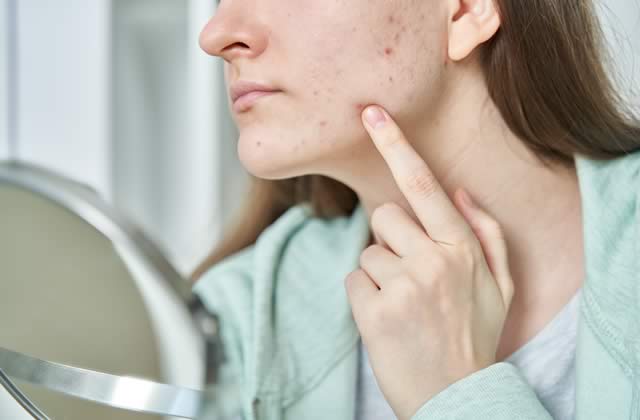
Acne impacts people of all ages.
However, it’s crucial to remember that some age groups are more impacted than others.
Studies have shown that more teenagers suffer from acne than adults.
For instance, while acne impacts 93% of adolescents, 73.3% of adults have it. However, not enough articles are discussing the nuanced differences between teen acne and adult acne.
Since this is a serious issue that impacts millions, it’s important that the proper information is out there to help those who need it.
Check out this guide on the differences between adult and teen acne.
How Acnes Form
Before discussing the differences between teen and adult acne, an understanding of how it forms is necessary. Both teen and adult acne form the same way. When oil on the skin’s surface mixes with dead skin cells and clogs the pores, it causes various forms of acne.
Skin bacteria known as cutibacterium acnes use the environment to grow and trigger acne inflammation. Though the process that acne is formed is similar, the causing factors are different for adults and teens.
Most Common Teen Acne Factors
The causes of teen acne are a mix of pre-determined factors such as puberty and genetics and things that are ultimately, behavior-based such as diet.
Understanding these differences can help determine how you’re going to treat your acne.
-
Puberty:
Androgen hormones during puberty such as testosterone increase the production of oil in your skin and subsequently make clogged pore more likely.
- Genetics:
Studies show that someone’s genetics can determine why their acne is more severe. -
Diet:
Foods that have a high glycemic load can cause acne. Since adolescents tend to fast food, they put themselves at risk of developing acne. Foods such as french fries, soda, and pasta are rich with sugar and carbohydrates and therefore can be catalysts for acne.
Most Common Adult Acne Factors
The causes of acne range from hormones to various products adults use.
-
Hormonal Fluctuations:
Hormonal fluctuations including menstruation and stress may contribute to acne flare-ups. 70% of women report having worse acne prior to their periods.
-
Products:
If you are an adult with acne, it’s worth reassessing the kinds of products you’re currently using. For instance, hair products, skin care products, and makeup can all clog pores.
-
Medications:
Various medications may trigger acne outbreaks. Steroids, lithium, and anticonvulsants may cause acne as a side effect.
Common Acne Treatments
Although adults and teenagers may have varying causes of acne, their treatments are generally the same. With the help of a dermatologist, you can develop a treatment regimen that works for you.
Check out these examples of medications dermatologists may recommend:
-
Benzoyl peroxide:
Benzoyl peroxide dries out your acne and gets rid of excessive bacteria.
-
Topical Retinoids:
Retinoids stimulate dead skin turnover.
-
Azelaic Acid:
This treatment helps stop acne by destroying bacteria and ensuring that pores are clean.
-
Topical Antibiotics:
Antibiotics can be impactful in stopping inflammatory acne.
-
Hormonal Therapies:
Oral contraceptive pills that regulate hormones can also mitigate acne.
Other Things You Can Do:
In addition to dermatological treatments, you should also look into changing up your lifestyle if you’re suffering from acne. Here are a few things you can do.
-
Eat Better:
Though there are some urban myths out there, a study found that there’s a correlation between eating habits and acne in adults. Foods that are high in fat and sugar can actually trigger acne.
-
Change Your Mask:
It’s important that we continue wearing masks to stop the spread of COVID-19. While masks are helpful for preventing coronavirus, they also can come with the negative consequence of acne.
As mentioned in this article, acne is caused by bacteria. If you aren’t regularly changing your mask, you’re letting more and more bacteria foster in the very humid environment your mask creates. Regularly change your mask, wash your face, and feel free to take off your mask when you don’t have to wear it.
-
Sleep Better:
When you don’t sleep well, your body creates more cortisol which subsequently may cause acne. To improve your sleep, you may have to cut back on caffeine and alcohol, technology before bed, and stop taking naps.
-
Wash After A Workout:
Though working out is great for your health and stress relief, you should take some proper steps to not get dirty. Remember to take a thorough shower following a workout.
Best Ways To Treat Acne-Prone Skin:
Sometimes, regardless of what you do, you end up with acne breakout. Yes, this can be frustrating. But there are practical things you can do to treat acne and stop it from becoming worse.
-
Stop Irritating Your Acne:
Don’t pick or squeeze your breakouts at home. This can result in more breakouts, scarring, or redness.
-
Make Your Own Skincare Routine:
Maintain a good skincare routine that focuses on cleansing and oil control. Wash your face twice a day. In addition, look into some acne treatments available from your dermatologists.
-
Avoid Clogging Your Pores:
Ingredients like Lanolin and mineral oil can clog your pores. In addition, don’t use stripping ingredients such as alcohol which can actually cause your skin to make more oil.
-
Remove Dead Skin Cells:
Products that contain salicylic acid and glycolic acid can help you remove dead skin cells, excess oil, and dirt.
-
Take Off Your Makeup:
No matter how tired you are, remember to take off your makeup before bed. Not removing your makeup can trigger an acne breakout.
other related articles of interest:
Acne Happens, You Can Overcome It
Though teen and adult acne can be caused by different factors, the impact is the same. Acne can take a serious toll on your emotional well-being and mental health — regardless of how old you are.
That’s why it’s important for you to talk to your healthcare provider about your acne and come up with a mitigation plan that works for you. Although acne can be frustrating, it’s important to remember that there are plenty of treatments out there.
Just be patient and open to new solutions and you will get through this and bounce back with confidence.
Image Credit: by envato.com
end of post … please share it!
OCTOBER: get college application ready to submit (part of HS college calendar)



Comments