

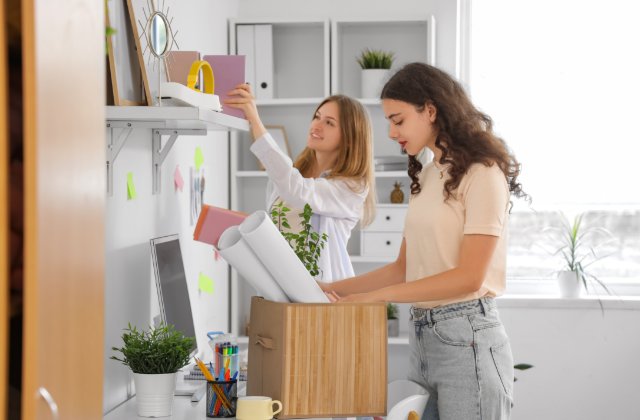
Moving into a college apartment gives you an opportunity to create a comfortable space that reflects your personality while supporting student life. Unlike a dorm room, an apartment often provides more freedom to choose furniture, arrange rooms, and add decorative details. However, limited space and a student budget can make decorating challenging. Following practical tips for decorating your college apartment can help you create a welcoming home without making expensive purchases or overwhelming your available space.
Start With a Clear Style
Before purchasing decorations, decide how you want your apartment to feel. Choosing a general style makes shopping easier and helps separate rooms feel connected. You might prefer a relaxed atmosphere with warm textures or a modern space featuring clean lines. Your preferred look can guide decisions about furniture and accessories.
Think about items you already own before buying something new. Bedding, artwork, or furniture from home may provide a starting point for your apartment’s overall appearance. Building around existing pieces can reduce unnecessary spending while giving familiar belongings a fresh purpose in your new environment.
Avoid feeling pressured to complete the entire apartment immediately. Living in the space for a few weeks can reveal what each room needs. You may discover an empty corner that needs seating or realize that a wall you planned to decorate looks better with minimal accents.
Choose Furniture That Fits the Space
College apartments often have smaller rooms, so furniture size matters. Oversized pieces can make a room feel cramped and restrict movement. Measure available floor space before purchasing furniture, especially when shopping for sofas, desks, or storage pieces.
Consider how frequently you will use each item. A comfortable desk may deserve more space if you regularly study at home, while an occasional seating option can remain compact. Furniture should support your daily routine rather than simply fill empty areas.
You can also rearrange furniture to improve the apartment without spending money. Moving a sofa away from a wall or repositioning a desk near natural light may completely change how a room feels. Experiment with layouts until the space feels functional and comfortable.
Make Textiles Part of the Design
Textiles offer an easy way to add personality without making permanent changes. Curtains can soften a room, while a rug can define a seating or sleeping area. Throw blankets also make inexpensive furniture feel more intentional.
Fabric patterns can influence the overall character of a room. When selecting curtains or upholstered accents, learning about printed vs. jacquard fabric can help you understand how different construction methods affect texture and visual depth. Choose materials that complement your style while remaining practical for student living.
Keep maintenance in mind when selecting textiles. Washable fabrics often make sense in apartments where spills or frequent gatherings may occur. Easy-care materials allow you to enjoy decorative elements without adding complicated cleaning requirements to an already busy schedule.
Use Your Walls Without Creating Damage
Blank walls can make an apartment feel temporary, but your lease may limit permanent modifications. Removable adhesive products allow you to display lightweight artwork without creating holes. Always check property rules before attaching anything to painted surfaces.
Personal photographs can make your apartment feel connected to home. Instead of covering every wall, create a focused display in one area. A thoughtful arrangement often looks more polished than placing unrelated decorations throughout the room.
Mirrors can also improve plain walls while making smaller spaces feel more open. Position a mirror where it can reflect natural light or an attractive part of the room. Choose a size that suits the wall rather than overwhelming nearby furniture.
Improve the Lighting
Apartment lighting can dramatically affect how comfortable a room feels. Standard overhead fixtures may produce harsh illumination, especially during evenings. Table lamps or floor lamps can provide softer light for relaxing after class.
Consider the purpose of each area when choosing lighting. A desk needs enough brightness for studying, while a living area can benefit from gentler illumination. Matching the light source to the activity makes each part of the apartment more functional.
Decorative lighting can contribute to your chosen style as well. A lamp with an interesting base or shade can serve as an accent even when it is not in use. This approach combines function with decoration, which works especially well in compact apartments.
Add Personality Through Meaningful Objects
Your apartment should feel personal rather than staged. Display objects that represent hobbies or meaningful experiences instead of buying decorations simply to fill shelves. Books, framed photographs, or collected items can tell a story while making the apartment distinctly yours.
Rotate decorative objects instead of displaying everything at once. Keeping some items stored allows you to refresh the room during the semester without buying anything new. Seasonal changes or a simple rearrangement can make familiar surroundings feel different.
Leave some open space on shelves and tables. Too many decorative pieces can create visual clutter, especially in small rooms. Giving favorite objects room to stand out makes the apartment feel calmer while simplifying routine cleaning.
Incorporate Practical Storage
Storage can become part of your decorating strategy instead of something you hide. Attractive baskets can hold everyday belongings while keeping surfaces clear. Shelving can provide room for useful items while also displaying decorative pieces.
Look for unused areas when storage becomes limited. Space beneath a bed can accommodate containers, while the area above a desk may support wall-mounted storage if your lease permits it. Using overlooked spaces prevents storage solutions from taking over valuable walking areas.
Keep frequently used belongings accessible. Decorative storage works best when it supports your routine rather than making items difficult to reach. A beautiful container loses its usefulness if you constantly need to move other objects to access what is inside.
Bring Natural Elements Indoors
Plants can introduce life and texture to an apartment without requiring major design changes. Choose varieties that match the amount of sunlight available in your rooms. If caring for living plants does not fit your schedule, realistic artificial greenery can provide a similar visual effect.
Natural materials can also make an apartment feel warmer. Wood accents or woven textures work well with many decorating styles and can balance rooms filled with inexpensive manufactured furniture. Even small touches can soften an otherwise plain rental.
Place natural elements where they will make a noticeable impact. A plant near a window or a textured basket beside a sofa can add interest without cluttering the room. Strategic placement often creates more impact than adding numerous decorative objects.
Create a College Apartment That Feels Like Home
Your college apartment can become a comfortable retreat from classes and busy campus life when you decorate with purpose. Focus on practical choices that fit your available space while allowing your personality to shape the details. These tips for decorating your college apartment can help you balance comfort with function, so that your rental feels welcoming throughout the school year.
Image Credentials: By Pixel-Shot, 867956564


Comments