

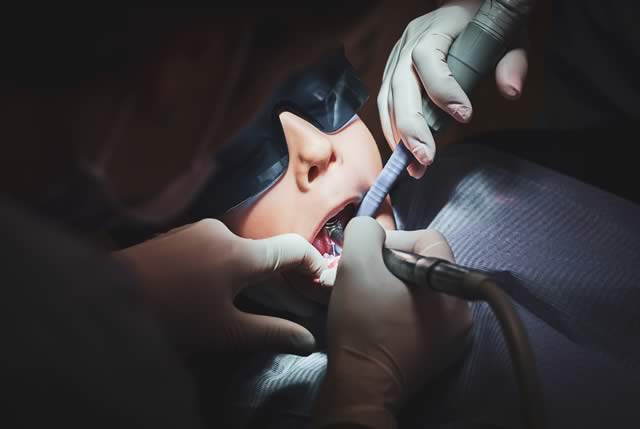
Wisdom teeth extraction hits college students at the worst possible time.
Everything keeps moving — assignments, quizzes, lab reports. Your professors have no idea what’s happening.
Swelling, painkillers, and that particular brain-fog that follows oral surgery turn even simple tasks into ordeals.
So what’s the actual move here? Recovery doesn’t have to wreck your GPA, but winging it will. These five strategies will help you protect both your health and your academic standing.
Communicate with Your Instructors and Obtain Documentation
Tell your professors before surgery. Not afterward — before. Get documentation from your dental provider listing the procedure date and an estimated recovery window.
Most schools have medical accommodation policies, and oral surgery clears that bar without much argument. Giving instructors advance notice means they can actually arrange deadline extensions, makeup schedules, or alternative formats.
Show up post-op with a swollen jaw and a missed exam instead? That’s a much harder conversation. Faculty often need lead time just to adjust their course structures — catching them off guard rarely goes well for the student.
Prepare Course Materials and Notes in Advance
Do your gathering before surgery day. Download everything — lecture slides, textbooks, study guides. If classes are recorded, pull those videos somewhere accessible offline. Then sketch out a rough study schedule for the days right after the procedure.
Be honest with yourself: the first few days will involve drowsiness and genuine difficulty focusing. Having materials already organized means you won’t be digging through a course portal while your jaw throbs.
That friction matters more than it sounds when you’re already running on empty.
Establish a Modified Study Schedule Around Your Recovery
Days one through three are usually brutal. Plan for that. During that stretch, stick to passive work — listening to recorded lectures, skimming notes, nothing requiring heavy output.
By days four and five, you can start pushing into more demanding territory: reading assignments, problem sets, lighter writing tasks.
Save the cognitively punishing stuff — complex calculations, essay drafts — for moments when you feel genuinely functional, not just upright. Short, frequent sessions tend to beat long blocks during recovery. Concentration collapses fast when pain’s running in the background.
Manage Pain and Medication Effects on Your Cognitive Function
Prescription painkillers sedate. That’s the point — but it’s also the trap. They blur concentration, flatten memory, slow processing. Figure out your medication schedule and build your study windows around the peak drowsiness hours, not through them.
By day three or four, many students find over-the-counter options sufficient, which opens up clearer thinking for assignments. Students who consult the provider who performed their wisdom teeth extraction in Chino Hills CA about post-operative pain management often find they can transition off stronger medications sooner — which directly supports cognitive function during study sessions.
Pushing through coursework while heavily sedated usually means worse output and double the time. Adjust the schedule. Don’t fight the meds.
Use Campus Resources and Create a Support System
Writing centers, tutoring labs, academic support offices — they exist for exactly this kind of situation. Use them. If in-person sessions aren’t possible, many run remote options.
Ask a classmate to share notes from any lectures you miss; most people say yes when you ask directly. A study partner who checks in periodically helps too — less for the academic content, more for the accountability.
Students routinely overlook campus resources right up until a medical situation makes them suddenly essential. This is that situation.
other related articles of interest:
Conclusion
Recovery is temporary. The grades aren’t. Getting through wisdom teeth surgery without derailing your semester comes down to three things: communicate early, prepare before the procedure, and adapt your study approach to what your body can actually handle each day.
Factor in how your medications affect your focus. Lean on campus resources instead of white-knuckling through it solo.
Do those things, and you’ll come out the other side of recovery with your academic standing intact — and probably a sharper sense of how to manage your time when conditions aren’t ideal.
Image Credit: by envato.com
end of post … please share it!
| envato.com |
private student loans: when you need a little extra to pay for college


Comments