

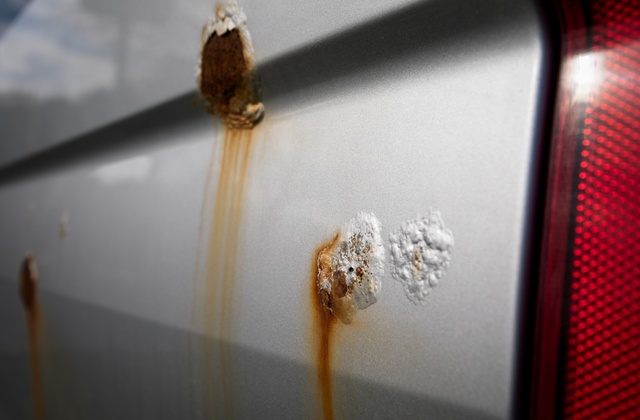
Rust is not just an aesthetic issue for vehicles; it can significantly compromise their value and longevity.
If you’ve noticed rust spots forming on your car, it’s essential to address the issue promptly.
By understanding the primary reasons why rust spots are forming on your car, you can take preventative measures to keep your vehicle in optimal condition.
Exposure to Moisture and Humidity
One of the leading causes of rust on vehicles is prolonged exposure to moisture. Whether from rain, snow, or humidity in the air, moisture creates the perfect environment for oxidation.
When water penetrates small scratches or chips in your car’s paintwork, it reacts with the underlying metal to form rust. Regular drying and protective coatings can help mitigate the effects of moisture.
Road Salt and Winter Conditions
If you live in an area where road salt is used during the winter, your car is at a heightened risk of developing rust. Road salt is highly corrosive and accelerates the chemical reaction that leads to rust.
It clings to your vehicle’s undercarriage and metal components, causing long-term damage. Washing your car often during winter, especially focusing on areas like wheel wells and the undercarriage, can reduce this risk.
Lack of Protective Coatings
The paint and clear coat applied to your car act as the first line of defense against rust. However, these protective layers can wear down over time due to exposure to harsh sunlight, cleaning chemicals, or physical abrasions.
Without adequate protection, your car’s metal surfaces become more vulnerable to rust. However, it’s not as simple as applying a coat or sealant, there are several ways to ensure a proper seal to protect your car.
Unrepaired Scratches and Dents
Even minor scratches or dents should not be ignored. These imperfections break through the paint and expose the bare metal underneath, providing an entry point for moisture and oxygen.
Over time, this catalyzes the rusting process. Promptly repairing chips, scratches, and dents can prevent rust from forming or worsening.
Poor Drainage Systems
Cars are designed with drainage channels to ensure water flows away from critical areas. However, debris like leaves, dirt, and mud can clog these drainage systems, trapping moisture inside.
This trapped water can lead to hidden rust, which is especially harmful as it often goes unnoticed until significant damage has occurred. Ensuring drainage areas are kept clean and clear is vital for rust prevention.
Age and Wear of the Vehicle
Older vehicles are naturally more prone to rust due to years of wear and tear. Over time, even the strongest protective coatings weaken, and metal components become more susceptible to corrosion.
If your car is aging, it’s essential to take extra precautions such as rust-proofing treatments and frequent inspections to detect early signs of rust.
By addressing common causes of rust spots on your car, you can prevent rust from spreading and safeguard your vehicle’s appearance and structural integrity. Regular maintenance, timely repairs, and cleaning routines can go a long way in protecting your car from the damaging effects of corrosion.
Image Credentials: by STOATPHOTO, 596573833
end of post … please share it!
| envato.com |


Comments