

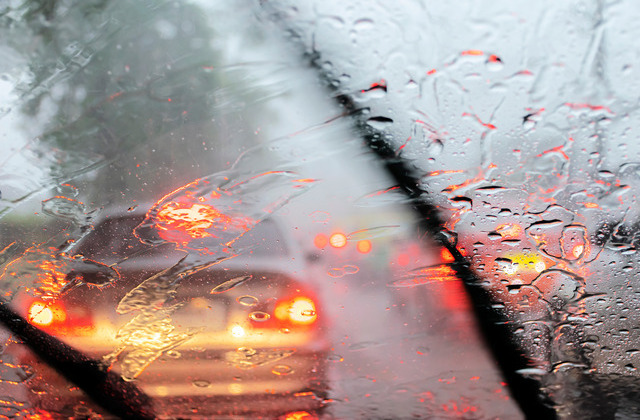
Driving on a rainy day for the first time, especially in a new city or setting, can feel unfamiliar and scary.
But a few simple precautions can make it much easier and safer.
Wet roads reduce tire grip, making every action behind the wheel more crucial than usual. Here are a few tips to help you drive confidently.
1. Check Your Vehicle Before Heading Out
Before setting off, make sure your car is ready for wet conditions. Start by inspecting your windshield wipers to confirm they’re clearing your field of vision without streaking.
If they’re worn or squeaky, replacing them is essential. Make sure to examine your tires for adequate tread depth. Tires with worn treads increase the chances of hydroplaning, which occurs when water prevents traction between the tires and the road.
2. Slow Down
Driving in the rain immediately calls for reducing your speed. Water on the road lowers your tires’ grip, especially on curves or while braking.
Speeding shortens your reaction time and increases the possibility of skidding. Giving yourself extra time to react will ensure smoother handling when stopping or turning. Don’t rush—it’s better for timing and safety.

3. Keep a Safe Distance
Tailgating in the rain isn’t just risky—it’s downright dangerous. Wet brakes and tires take longer to stop, so leave at least a four-second gap between you and the vehicle ahead.
If someone brakes unexpectedly, this buffer can prevent a potential accident. Being patient and giving yourself extra space goes a long way in reducing stress and hassle.
4. Use Your Headlights
Visibility is key when rain reduces your ability to see. Switch on your regular headlights so other drivers know where you are.
Avoid using high beams, which can reflect off wet surfaces and create glare, obscuring your view. Your standard lights are perfect for keeping things safe and clear.
5. Drive Smart on Wet Roads
Avoid sudden movements like sharp turns or quick stops—they often lead to hydroplaning situations. If you feel your car lose traction, resist the urge to overcorrect your steering. Steady control will help you regain stability.
One common tire misconception that drivers have is that lowering tire pressure improves traction in wet conditions. However, that’s incorrect; it reduces tire performance and can make handling harder. Stick to the manufacturer-recommended pressure for better stability in the rain.
6. Watch Out for Large Puddles and Standing Water
Puddles might seem harmless, but deep or large pools of water can hide hazards like potholes or debris. They can also lead to hydroplaning, especially if you’re moving quickly.
If you can’t gauge the depth of the water, drive around it whenever possible. Slowing down through water-covered sections minimizes risks and keeps your brakes functioning properly.
7. Stay Focused and Avoid Distractions
Rainy weather demands extra attention on the road. Distractions like changing music, eating, or even glancing at your phone can cost you precious reaction time.
Keep both hands on the wheel and your full attention forward, scanning for road signs, pedestrians, and vehicles. Driving during the rain doesn’t have to feel tricky.
By following these top tips for driving on a rainy day, you can confidently handle wet roads with ease. Whether it’s checking your tires, slowing down, or giving yourself extra space, small actions can lead to a safer experience for everyone on the road.
Image Credentials: Photographer: jittawit.21 | File #: 235403556
end of post … please share it!
| envato.com |
YYY: XXXXXXXX (part of HS college calendar)
SHOP DORM: XXX



Comments