

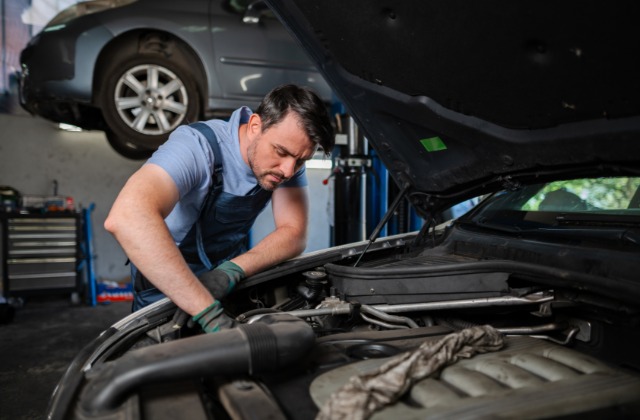
Interested in potentially becoming an auto mechanic, but want to know what the job looks like before you commit? Understanding what auto mechanics do day to day gives you a better sense of the work before you enter the trade.
Some jobs involve tracking down a problem a driver has noticed. Others center on scheduled maintenance or replacing worn components. Mechanics also spend plenty of time checking their work before handing a vehicle back to its owner. Here are some of the most common tasks you’d encounter in the trade.
Diagnose Vehicle Problems
A customer may arrive with a warning light, an unusual noise, or a vehicle that simply isn’t behaving the way it should. The mechanic’s first job is figuring out what’s causing the problem.
That process may involve reading diagnostic trouble codes and inspecting the affected system. Mechanics also compare what the customer reported with what they observe during testing. A code can narrow the search, but it doesn’t automatically identify the failed part. Good diagnosis keeps the shop from replacing components that weren’t causing the issue.
Change Engine Oil
Oil changes are among the most routine jobs in an auto shop, particularly at businesses that handle general maintenance. The mechanic drains the used engine oil, replaces the oil filter, and refills the engine with the correct type and amount of oil.
The job also gives the mechanic an opportunity to look at the condition of what came out. Metal particles, an unusual smell, or severely contaminated oil can provide information about what’s happening inside the engine. A routine service appointment sometimes uncovers a problem before the driver notices symptoms on the road.
Replace Worn Brake Pads
Brake pads wear down as friction removes material from their surfaces. Once they reach their service limit, a mechanic removes the worn pads and installs replacements that match the vehicle.
The mechanic also examines the surrounding brake components while everything is accessible. The condition of the rotor, for example, affects how the new pads contact the braking surface. Uneven wear on the old pads can also signal another issue within that wheel’s brake assembly. Replacing pads isn’t simply a matter of putting new material in place and sending the vehicle out.
Repair Flat Tires
A nail or screw through the tread can turn an otherwise normal drive into a trip to the shop. Mechanics inspect the tire to determine where the air is escaping and whether the damaged area qualifies for repair.
Damage in the tread area may allow for an approved internal patch or plug-patch repair. Punctures near the sidewall generally require tire replacement because that area flexes heavily while the vehicle moves. The mechanic also checks the tire for internal damage before deciding whether repair is appropriate. That inspection prevents a simple puncture from hiding a larger tire problem.
Replace Dead Batteries
A battery that no longer supplies enough power to start the engine is another common shop visit. Mechanics test the battery before replacing it because a no-start condition doesn’t automatically mean the battery itself has failed.
Once testing confirms replacement is needed, the mechanic disconnects the old battery and installs one with the correct specifications for the vehicle. Battery installation also involves inspecting the terminals and cable connections. Corrosion or a loose connection can interfere with electrical flow even when the battery itself is healthy, so those connection points receive their own inspection during the job.
Lubricate High-Friction Components
Lubricating high-friction components is another maintenance task mechanics do regularly. Some common parts that need lubrication include hinges, chassis fittings, and driveline components when the manufacturer calls for it. On heavy trucks, fifth wheels, which connect the tractor to the trailer, also need regular lubrication to reduce friction between their contacting surfaces.
Grease wears away or picks up dirt and debris during use, so mechanics check lubrication points and apply fresh grease when needed. Using the correct lubricant is important because different parts operate under different loads and conditions.
Replace Worn Belts
Modern engines rely on belts to transfer power to specific accessories. Over time, the belt material wears from heat, movement, and repeated contact with pulleys.
Mechanics inspect belts for cracking, frayed edges, missing material, or other signs that replacement is due. A worn belt may squeal before it fails, although visible damage can appear without much warning from the driver’s seat. Replacement involves removing the old belt and routing the new one correctly around the pulley system. The mechanic then checks its alignment before finishing the job.
Replace Burned-Out Lights
Vehicle lighting affects both visibility and communication with other drivers, so burned-out bulbs regularly bring cars into repair shops. Mechanics replace failed headlights, brake lights, turn signals, and other exterior bulbs based on what the vehicle uses.
The amount of work involved depends on how the lighting system is designed. Some bulbs sit behind panels or engine-bay components, so mechanics may need to remove other parts before they can replace the bulb. Newer vehicles may use complete LED lighting assemblies instead, which can require replacing the entire unit rather than a single bulb. The mechanic identifies the failed component first, then installs the correct replacement for that lighting system.
Replace Faulty Sensors
Modern vehicles rely on sensors to monitor engine operation and many other systems. When one fails, the result may be a warning light, poor performance, incorrect readings, or another symptom tied to the affected system.
Mechanics use scan data and electrical testing to determine whether the sensor has actually failed. That extra testing is important because damaged wiring or a bad connector can produce symptoms that resemble a faulty sensor. Once the source has been identified, the mechanic replaces the affected sensor and verifies that the system is reporting properly afterward.
Test Completed Repairs
A mechanic’s work doesn’t end when the new part goes in. They still need to confirm that the repair solved the original problem and that the affected system operates properly.
The testing method depends on the repair. A mechanic may use a scan tool after electrical work or take the vehicle on a road test after fixing a drivability problem. They can then verify the results before returning the vehicle to the customer.
A Job Built Around Solving Problems
There’s plenty of variety behind the doors of an automotive repair shop. Learning what auto mechanics do day to day gives you a better sense of what you’ll actually spend your time doing once you enter the trade.
The exact mix changes from one shop to another, but you can expect to diagnose vehicle issues, complete maintenance, make repairs, and check your work before the vehicle leaves the shop.
Image Credentials: Jelena, 1978423303

Comments