

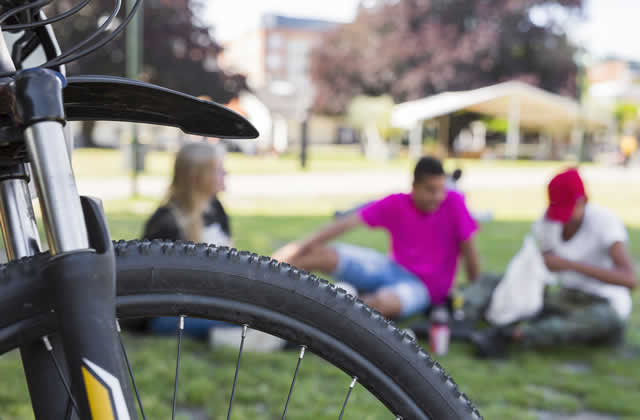
Starting college brings countless decisions, but one of the most practical concerns is how you’ll get around campus and beyond.
Your transportation choice affects your budget, lifestyle, and daily routine for the next four years.
Whether you’re considering bringing your family car, investing in a nimble motorscooter, or relying on a trusty bicycle, each option comes with distinct advantages and challenges.
The right transportation method depends on your specific circumstances. Students living on sprawling suburban campuses face different needs than those attending urban universities with compact layouts. Your financial situation, distance from home, and personal preferences all play crucial roles in this decision.
Many students find that a single transportation method doesn’t meet all their needs. The most successful approach often involves understanding the strengths and limitations of each option, then creating a transportation strategy that maximizes convenience while minimizing costs and stress.
Cars for College Students
Owning a car during college offers unmatched versatility but comes with significant financial and practical considerations. Understanding both the benefits and drawbacks helps you determine whether car ownership aligns with your college experience and budget.
-
The Case for Campus Cars
Cars provide unparalleled convenience for college students. You can travel home for holidays without coordinating rides or booking flights, maintain jobs off campus, and handle emergencies without depending on others. The storage capacity alone makes cars invaluable during move-in and move-out periods, when you’re transporting everything from mini-refrigerators to seasonal clothing.
Safety represents another major advantage. Cars offer protection from weather and provide secure, enclosed transportation during late-night study sessions or social events. Female students, in particular, often feel safer walking to well-lit parking areas than biking or scootering alone after dark.
For students with medical needs, disabilities, or those studying at colleges with limited public transportation, cars often become necessities rather than luxuries. They enable participation in internships, clinical rotations, and job opportunities that might otherwise be inaccessible.
-
The Hidden Costs and Complications
The true cost of college car ownership extends far beyond monthly payments. Insurance rates for drivers under 25 are notoriously high, often ranging from $150 to $400 monthly. Gas prices, maintenance, repairs, and parking permits add hundreds more to monthly expenses. Many universities charge $500 to $1,500 annually for parking passes, with no guarantee of convenient spaces.
Parking presents ongoing frustrations. Students frequently circle campus lots for 20 minutes before settling for distant spaces that require additional walking time. Some colleges restrict freshman parking entirely, while others offer waiting lists that extend well into the academic year.
Environmental impact concerns weigh heavily on environmentally conscious students. Cars contribute significantly to campus air pollution and carbon emissions, conflicting with many universities’ sustainability goals and students’ personal values.
Motorscooters for College Students
Motorscooters represent a middle ground between cars and bicycles, offering motorized convenience with lower costs and environmental impact. These compact vehicles have gained popularity on college campuses nationwide, though they require careful consideration of safety and practical factors.
-
Scooter Advantages for Campus Life
Fuel efficiency makes scooters particularly attractive to budget-conscious students. Most models achieve 70 to 100 miles per gallon, dramatically reducing transportation costs compared to cars. A tank of gas often lasts weeks rather than days, making scooters ideal for students managing tight budgets.
Parking convenience gives scooter riders significant advantages over car owners. Many campuses provide dedicated scooter parking areas closer to buildings, and the compact size allows parking in spaces unavailable to cars. Registration fees and parking permits typically cost a fraction of car equivalents.
The speed advantage over bicycles makes scooters practical for larger campuses or students living off campus. Commute times that might take 20 minutes by bike often reduce to five or ten minutes by scooter, leaving more time for studies and social activities.
-
Scooter Limitations and Safety Concerns
Weather dependency significantly limits scooter usefulness. Rain, snow, and extreme temperatures make riding uncomfortable or dangerous, requiring backup transportation methods or limiting travel during adverse conditions. Unlike cars, scooters offer no climate protection.
Safety concerns require serious consideration. Scooter riders face similar risks to motorcyclists but often with less safety gear and training. Other drivers frequently fail to notice scooters, increasing accident risks. Head injuries remain a significant concern, making helmet use essential despite varying state requirements.
Limited carrying capacity restricts cargo options. Weekly grocery shopping, laundry trips, or transporting large items become challenging without creative solutions or alternative arrangements. The lack of secure storage also makes scooters targets for theft without proper security measures.
Bikes for College Students
Bicycles offer the most economical and environmentally friendly transportation option for college students. With proper planning and realistic expectations, bikes can meet most campus transportation needs while providing additional health and lifestyle benefits.
-
Pedal-Powered Advantages
Health benefits set bicycles apart from all motorized options. Regular cycling improves cardiovascular fitness, builds leg strength, and helps combat the "freshman fifteen" weight gain. The daily exercise often improves mental health and stress management, crucial factors for academic success.
Cost effectiveness makes bikes accessible to virtually all students. After the initial purchase, ongoing costs remain minimal, limited to occasional maintenance and replacement parts. No fuel, insurance, registration, or parking fees create ongoing financial burdens.
Environmental benefits align with many students’ values and campus sustainability initiatives. Bikes produce zero emissions, require minimal manufacturing resources, and don’t contribute to campus air or noise pollution. Many environmentally conscious students find personal satisfaction in choosing the most sustainable transportation option.
-
Physical and Practical Challenges
Weather dependency affects year-round bike usefulness. Rain, snow, ice, and extreme temperatures make cycling uncomfortable or impossible. Students at northern universities often need alternative transportation methods during winter months, increasing overall transportation costs.
Physical demands may exceed some students’ capabilities or preferences. Hilly campuses, long distances, or physical limitations can make regular cycling challenging. Arriving at classes or social events sweaty and tired may feel inappropriate or uncomfortable.
Safety concerns vary significantly by location. Urban campuses with heavy traffic pose greater risks than rural settings with dedicated bike paths. Theft represents another major concern, with expensive bikes becoming targets without proper security and storage facilities.
Combination Transportation Strategies
Smart students often discover that combining multiple transportation methods creates the most practical and cost-effective solution. Rather than committing to a single option, strategic combinations address different needs while maximizing advantages and minimizing drawbacks.
-
Bike Plus Public Transit Solutions
Many successful students combine bicycles with public transportation systems. Bikes handle short campus trips and daily commuting, while buses or trains provide longer-distance travel during poor weather or for special occasions. Many transit systems accommodate bikes on vehicles or at stations, creating seamless integration.
This combination works particularly well for students living off campus in areas with reliable public transportation. The bike provides fast, flexible transportation for daily needs, while public transit handles weather-dependent situations or longer trips home.
-
Seasonal and Situational Flexibility
Some students adjust their transportation methods seasonally. Bikes dominate during pleasant fall and spring weather, while winter months might involve increased reliance on public transit, ride-sharing, or occasional car rentals for specific needs.
Car sharing services and occasional rentals provide access to vehicles for specific situations like large shopping trips, traveling home, or handling emergencies without the ongoing costs of ownership. This approach works well for students who need cars occasionally but can’t justify full-time ownership expenses.
Making Your Transportation Decision
Choosing the right transportation for college requires honest assessment of your specific situation, priorities, and constraints. The best choice for your roommate might not work for your lifestyle, budget, or academic needs.
Financial considerations often drive the decision. Calculate total costs including purchase price, insurance, fuel, maintenance, parking, and registration fees. Remember that the cheapest initial option might not remain most economical long-term if it requires frequent supplementation with ride-sharing or rentals.
Consider your campus geography and local climate. Compact urban campuses with mild weather favor bikes, while sprawling suburban campuses or harsh winter climates might necessitate motorized options. Research your specific university’s parking policies, public transportation options, and bike infrastructure before deciding.
other related articles of interest:
How College Students Can Manage Transportation Costs
College Transportation: 4 Ideas for Getting around Campus Quickly
Evaluate your personal needs and preferences honestly. If you value convenience and flexibility above cost savings, a car might justify the expense. If environmental concerns and health benefits outweigh convenience factors, a bike could provide the best long-term satisfaction.
The most successful students often start with one primary method while remaining open to adjustments. Your transportation needs may evolve as you become familiar with campus, develop new routines, or experience changing financial circumstances. Flexibility and willingness to adapt often matter more than making the perfect initial choice.
Image Credit: car vs scooter vs bike by envato.com
end of post … please share it!
| envato.com |
SHOP DORM: dorm entertainment


Comments