

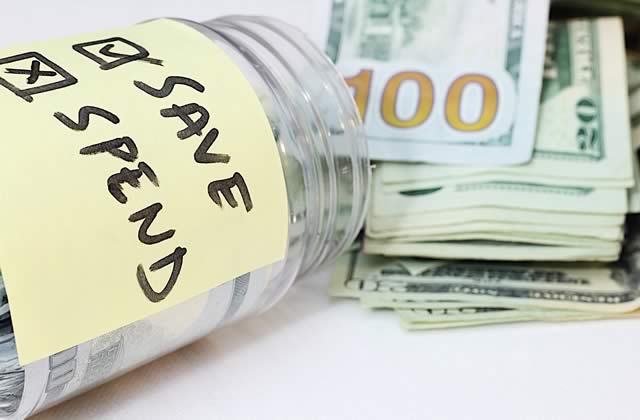
College is an interesting period of time when it comes to your finances.
You don’t necessarily have all the financial responsibilities you will once you graduate.
But, it can offer you a taste of what’s to come.
That’s one of the reasons why over 40% of college students work at least part-time.
Even if you have a job while you’re in school, that’s only half of the equation. Learning how to manage your money, create a budget, and change some spending habits is the other half.
If you start tracking your money now while you have fewer bills to pay, you’ll be on a better track when you graduate. You’ll understand how to create a reasonable budget, you’ll have developed healthy spending habits, and you can start working toward financial goals for the future to make the most of your money.
So, while your college years should be fun and exciting, it’s also the perfect time to start taking money seriously. Let’s look at a few ways to change your financial habits to better benefit your future.

Build a Better Budget
One of the easiest ways to change your financial habits is to track your spending. When you write down where you’re spending your money and what you’re spending it on, it’s easier to see which things you can cut out to save money.
You might also quickly realize that you have some bad spending habits you need to address. That could include things like:
- Shopping online impulsively
- Buying something you already own
- Shopping sales even if you don’t need something
- Dining out even when you have food at home
When you address these bad spending habits, you can start to eliminate them and make changes. For example, consider trying some new recipes in your dorm or apartment with your roommates
Eating in is typically much cheaper and can be a lot of fun when you’re cooking with friends. You can even try some recipes from your favorite restaurants to see how close you can get to the “real deal.”
Try to challenge yourself to think of ways you can cut back on your budget. You might be surprised how easy it is. Even if you’re only saving a few dollars here and there every month, it will start to add up quickly.
Work on Your Credit and Set Goals
You might not be putting much thought into your credit score right now. But, when you graduate, you’ll probably be interested in it.
Thinking about buying a car? A home? Renting an apartment? You’ll either have to get a loan or have your credit report checked to make sure you’re eligible for certain things.
A good credit score ranges anywhere from 670-739. Anything above that is considered very good. Anything over 800 is nearly perfect.
As a college student, you might think it’s impossible to build a strong credit history without going into debt, but that isn’t true. In reality, you can simply apply for a credit card, use it responsibly, and pay it off in full each month. It’s a great way to start building credit and improving your score.
Paying toward any student loans you currently have can also help you to improve your credit. You don’t have to wait until after you graduate to start paying them off
Chipping away at that debt from loans can be extremely beneficial in making a credit report look better. But, it will also help you to have more money for your future, without thousands of dollars you owe lingering over you.
Save for the Future
Speaking of the future, it’s important to start thinking about how you can save for a post-college life.
It might be easy right now to spend whatever you make. Whether you like to shop, eat, or go out and have fun, you may not be putting much thought into what will happen after you graduate and need a financial cushion. If you change your mindset to start thinking that way, you’ll also start to change your habits.
While creating a budget and changing your spending habits are great places to start, opening a savings account and finding creative ways to consistently add money will build a nice nest egg for you when you graduate.
other related articles of interest:
Tips & Tricks for Saving Money in College
College Textbook Money Savings Tips Every Student Should Know About
Take care of things you already have now to save money in the future. That includes regularly maintaining your car or going to the doctor regularly for checkups.
You can also save money by changing little habits. Try some of the following tips:
- Don’t use credit to pay off bills
- Take the time to think for a while before making a big purchase
- Separate your wants from your needs
- Use automatic savings programs to directly deposit a certain amount into savings each week
You don’t have to change your entire lifestyle or give up on the “fun” you can have in college to make the most of your money. With a few simple changes and by keeping track of your spending, you’ll be set up for a more secure financial future from the moment you graduate.
Image Credit: how to change your spending habits by envato.com
end of post … please share it!
CALC: college cost and spending calculator



Comments